Thabeik Hmauk Temple
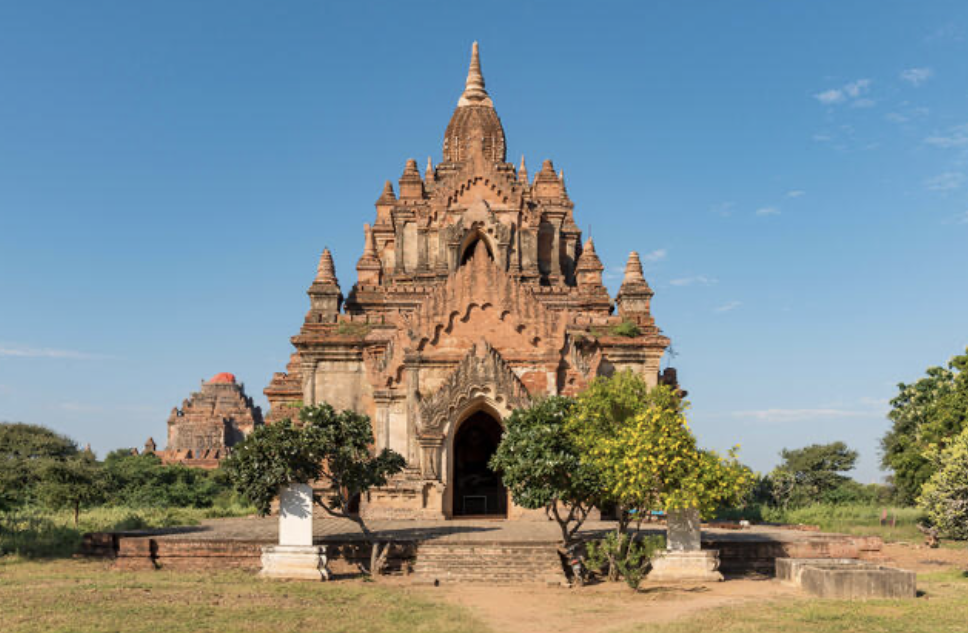
A compact brick temple characterized by thick walls, recessed thresholds, and controlled daylight, creating an intimate and contemplative interior space.
History Context
Thabeik Hmauk Temple dates to the Bagan period (11th–13th century), a time when Bagan was the political and religious centre of the Pagan Kingdom. Built as a Buddhist temple, it reflects the era’s emphasis on brick construction, thick load-bearing walls, and compact sacred interiors. Unlike monumental pagodas, smaller temples such as Thabeik Hmauk were designed for intimate worship, prioritising enclosure, stillness, and controlled light. The name Thabeik Hmauk translates to “inverted alms bowl,” referring to the temple’s form, which symbolically represents Buddhist renunciation and humility.
A Buddhist monk carrying alms bowl

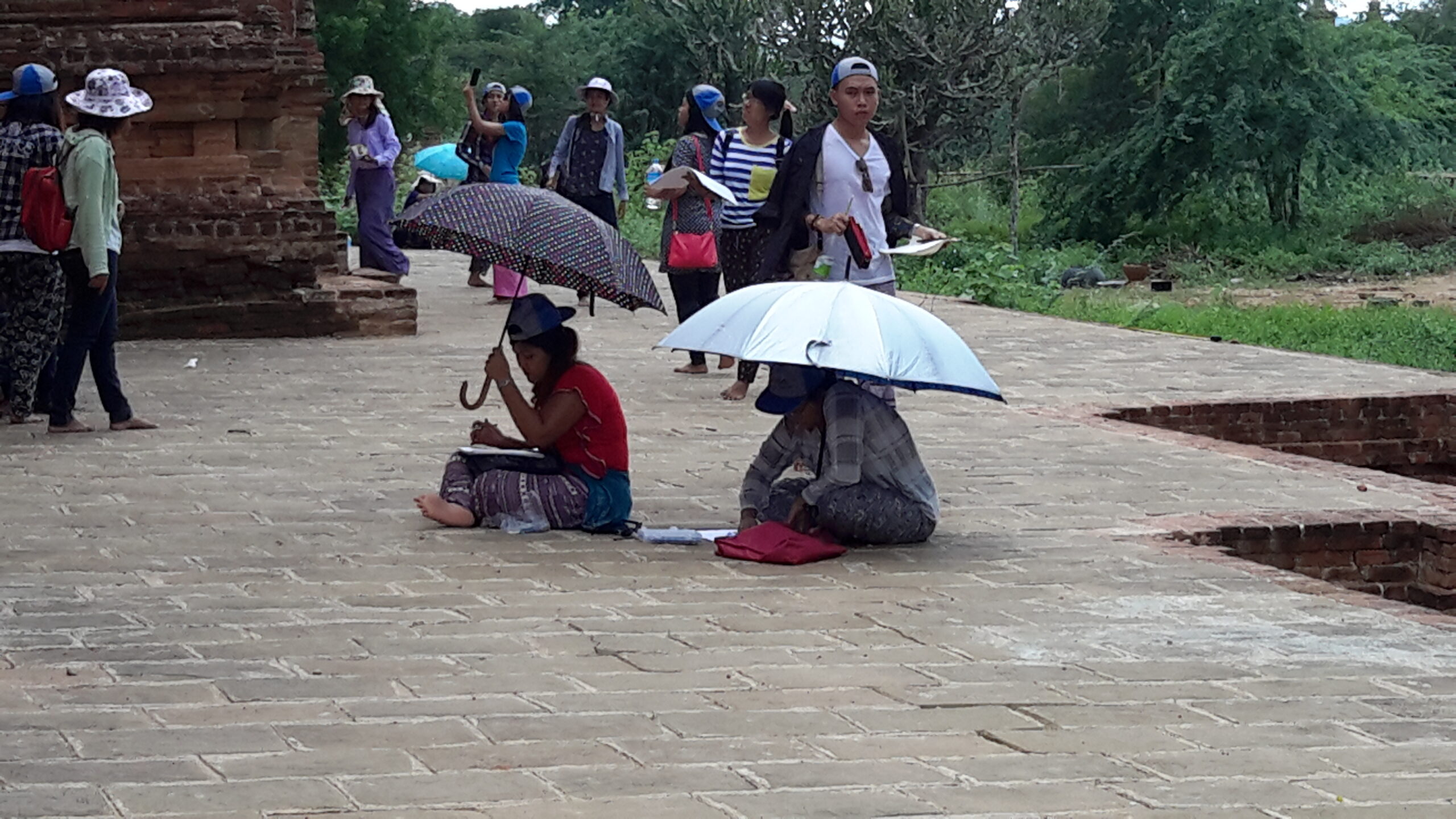
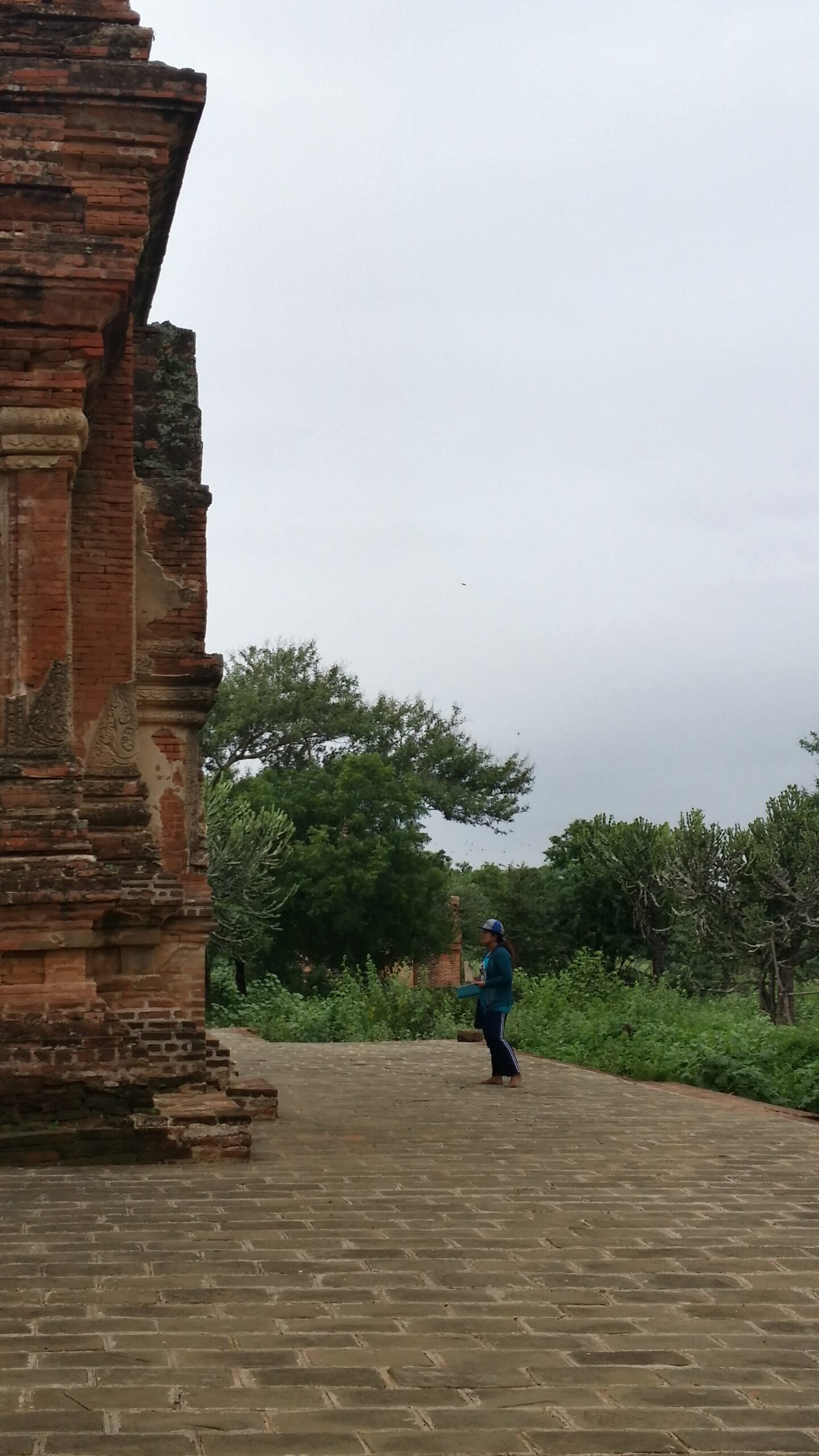
Measuring the ancient sacred Temple
In 2015, I undertook a measured drawing study of Thabeik Hmauk Temple, an ancient sacred site in Bagan, Myanmar. The work involved on-site measurement and careful observation to record the temple’s proportions and details.
Translating these measurements into scaled drawings allowed for a deeper understanding of human-scale sacred space, material construction, and the relationship between enclosure and light within historic architecture.
As part of the measured drawing study, I produced detailed drawings of the north and south moat surrounding Thabeik Hmauk Temple. These recorded levels, edge conditions, and the spatial relationship between ground and the sacred structure. This process supported an understanding of how the moat functions both as a physical boundary and as a symbolic threshold within the temple’s landscape.
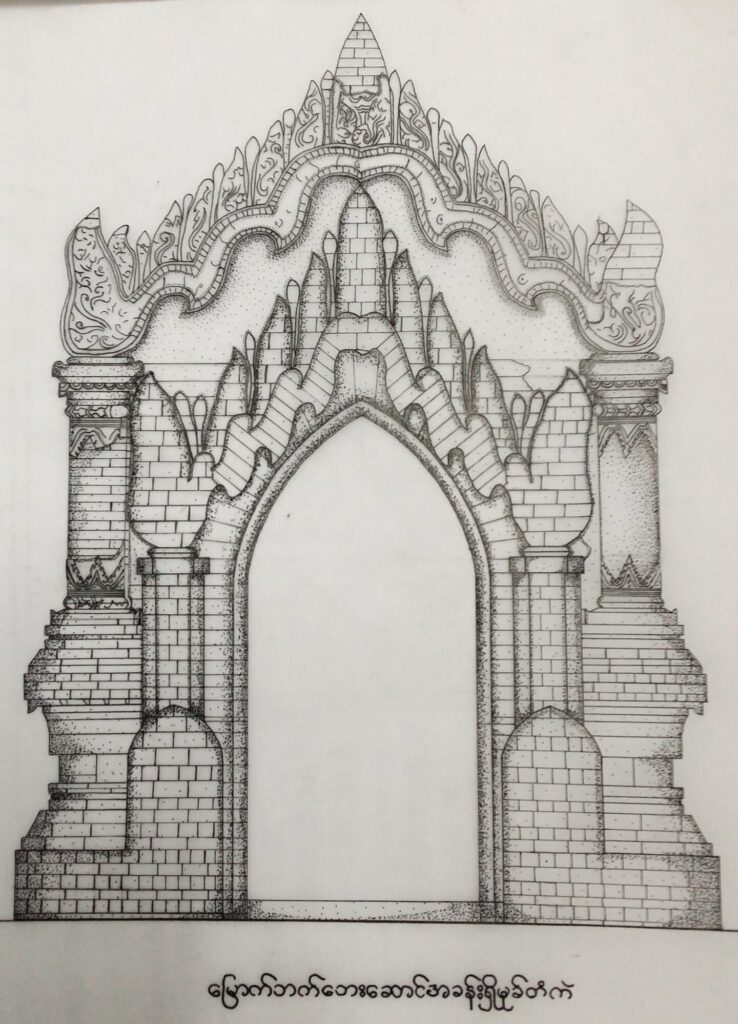
North side Moat
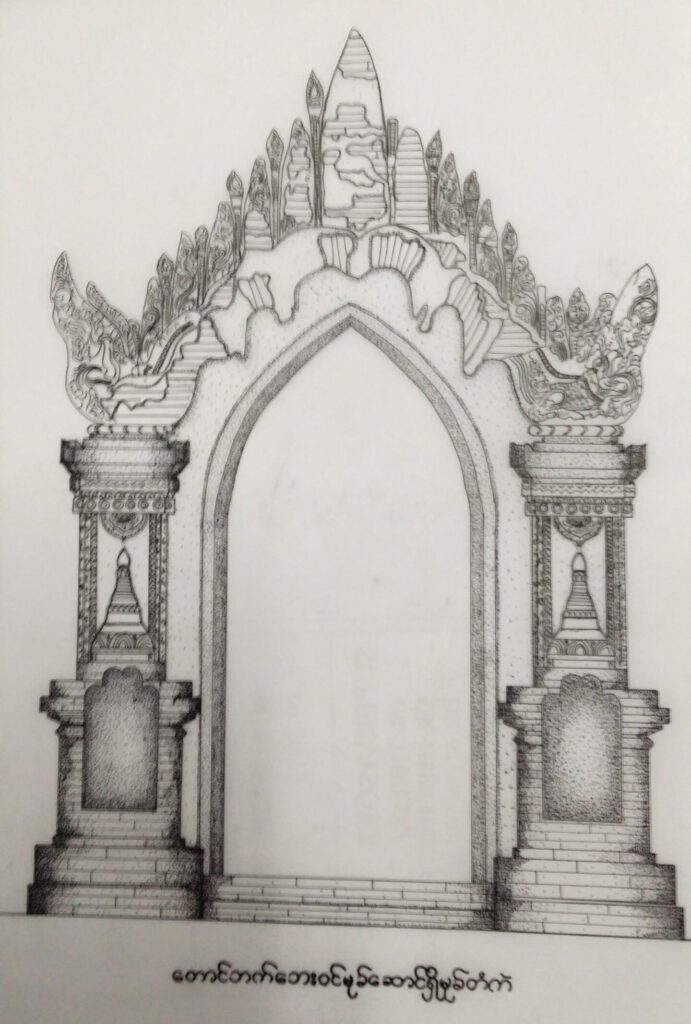
South side Moat
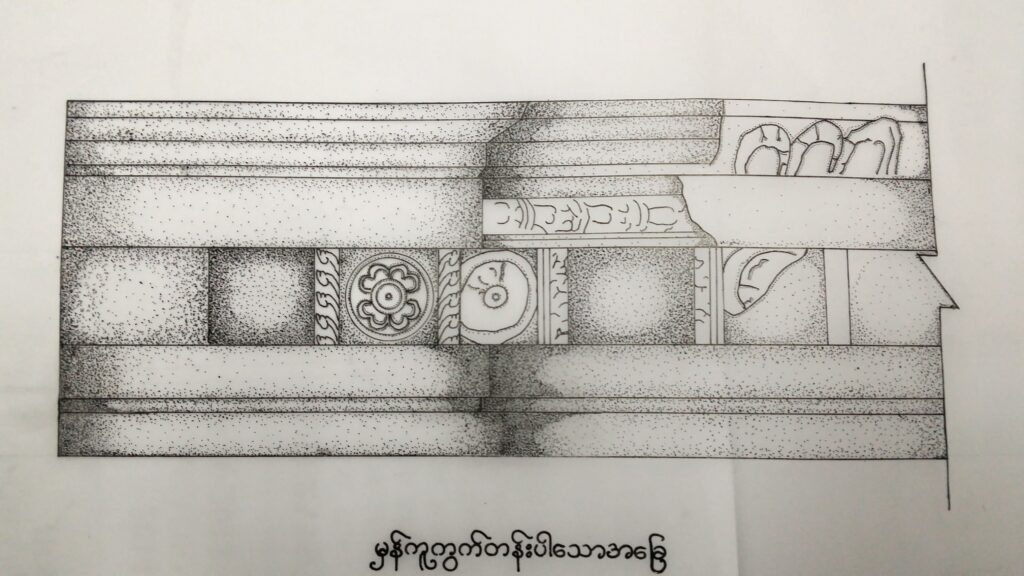
Base details
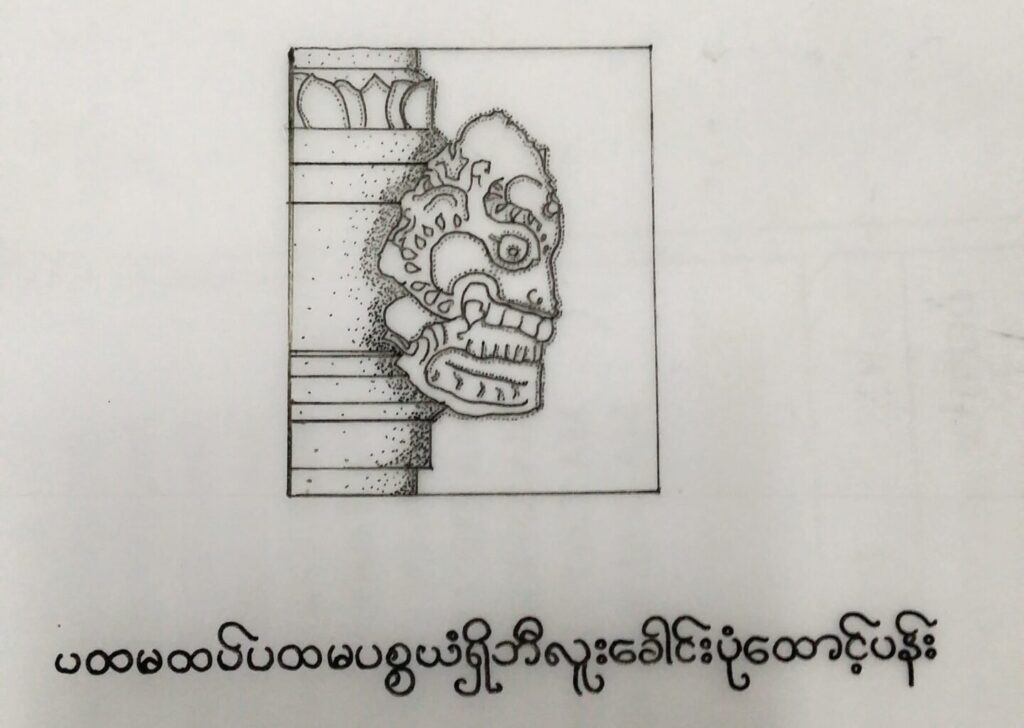
BeLuu, as known as monster, on the column.
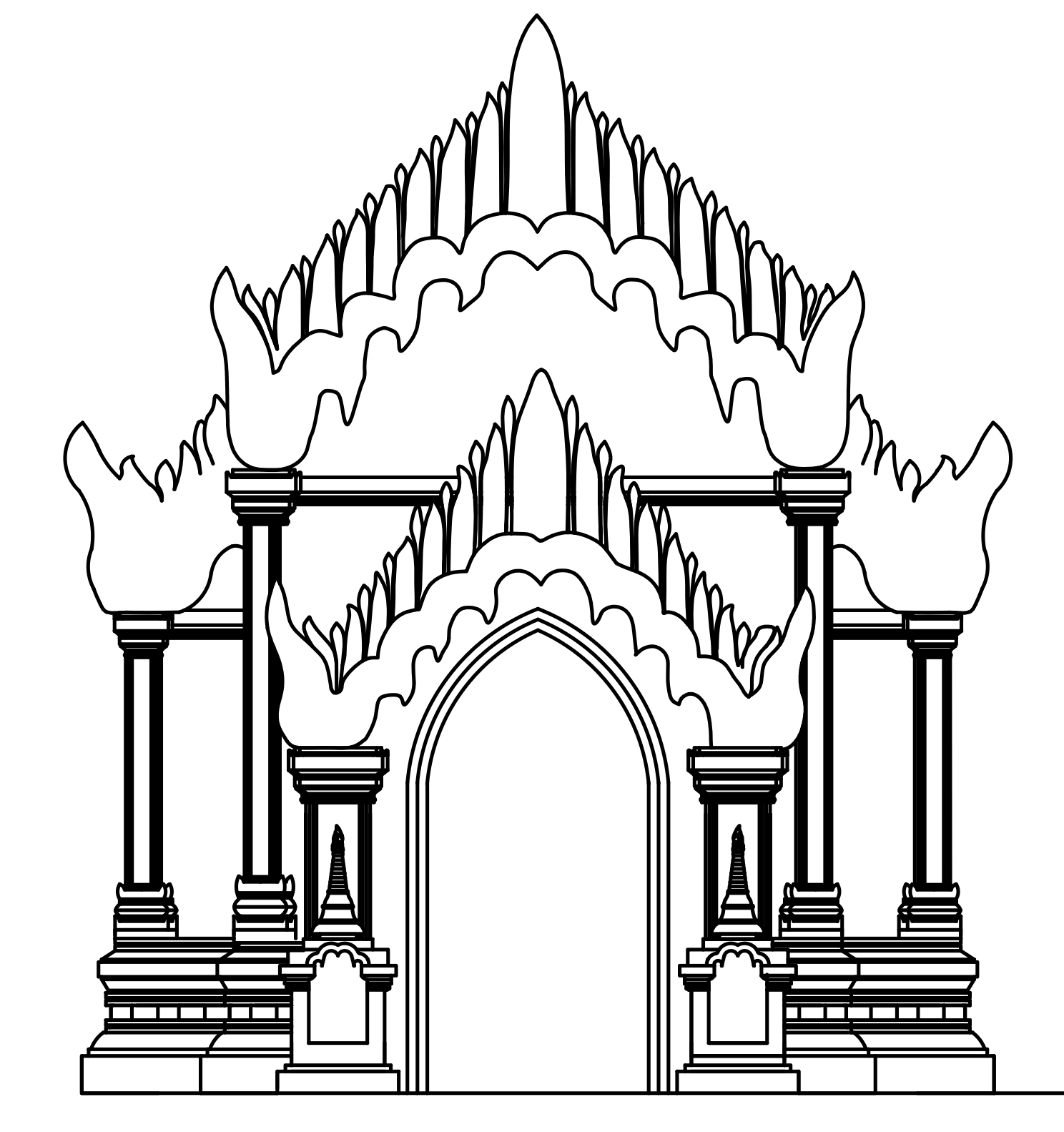
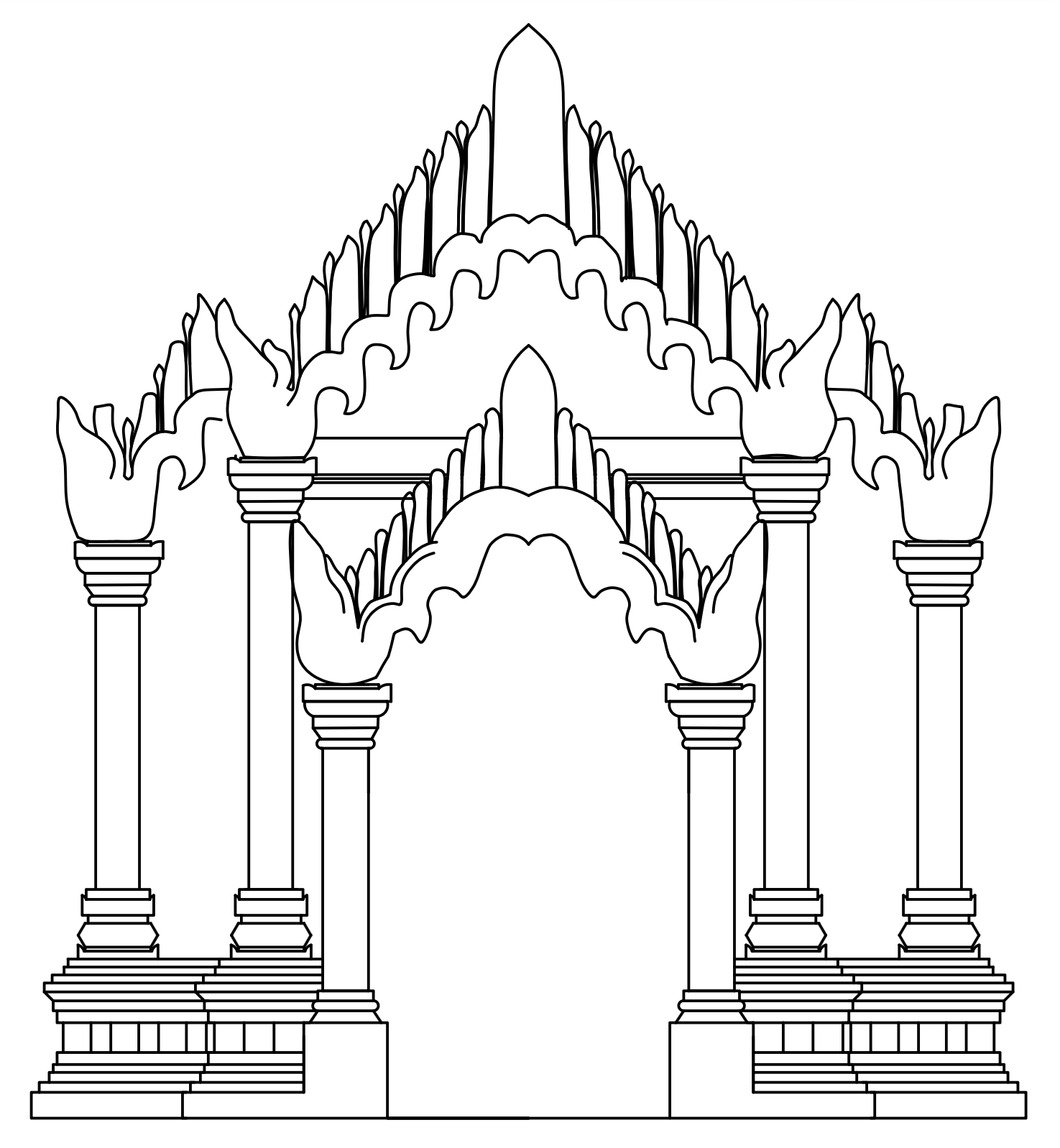
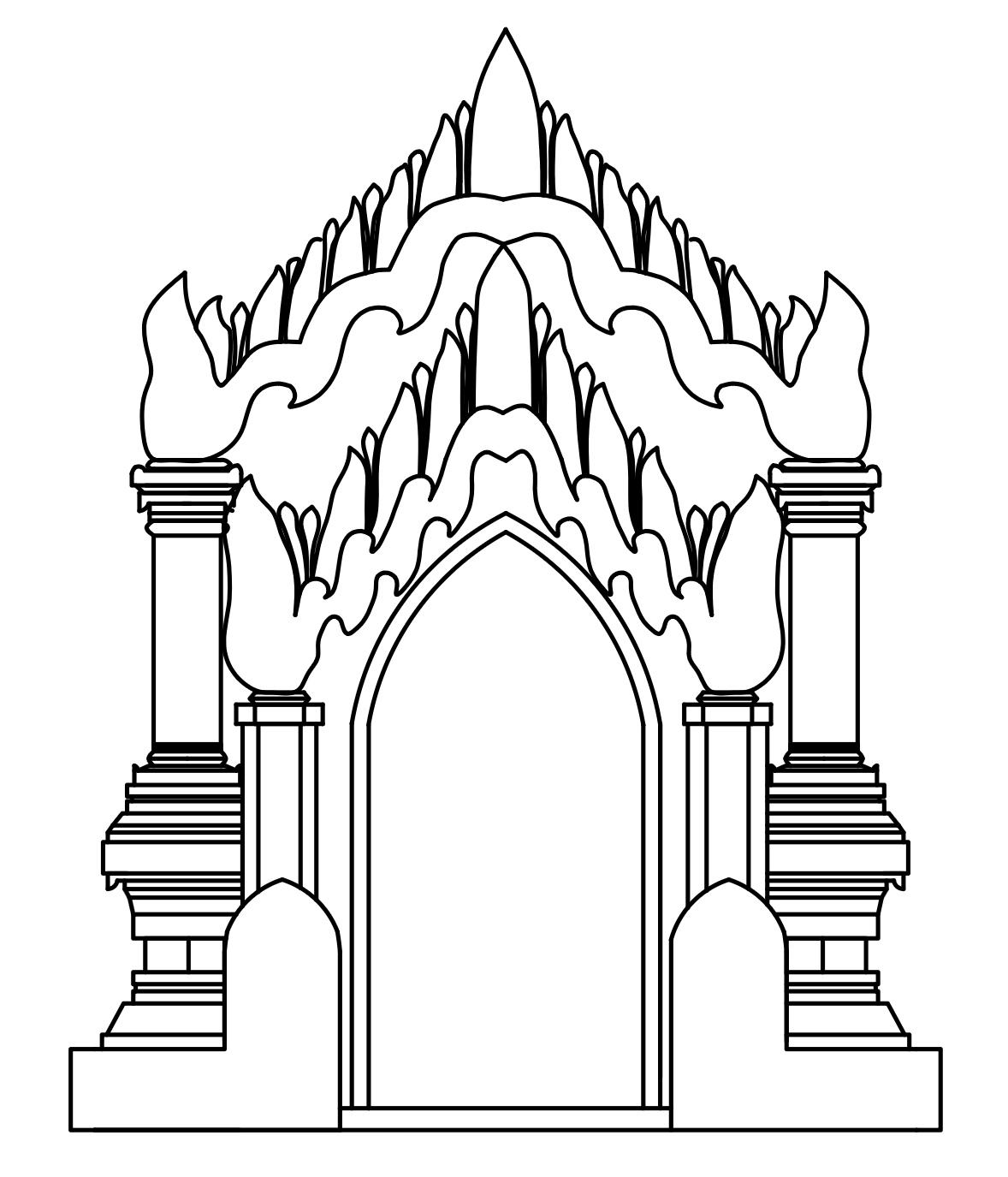
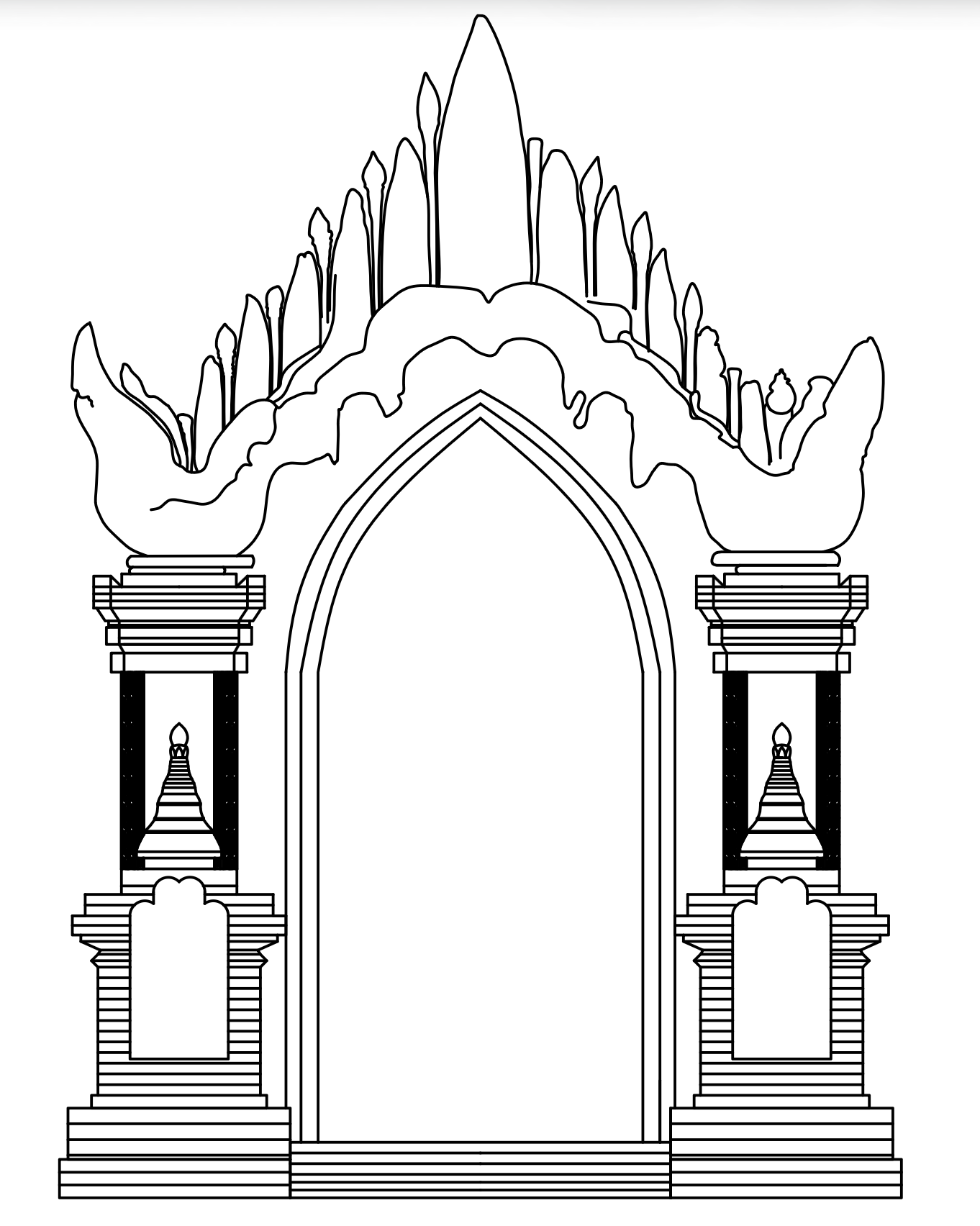
Detail Drawing with Autocad