
When I was given the word ‘Resilient,’ I tried to look up what it simply means. It refers to the being of a physical fit, adaptable, and capable person to stand whatever faces them. Resilience is the ability to quickly recover from difficult or stressful situations. Despite having strong concept, it defines the psychological strength that encourage an individual with the capacity of being able to confront challenges through obstacles.
Resilient Intervention Design
From the visit to Gosport and Portsmouth, we mainly pass through the alleyways. It is just a lane connecting from one path to the other. Everyone didn’t pay much attention to it. They just pass those alleyways to go another path, another location; a way to their home, their working place.
Most people pass through the alleyways. What can we do in a resilient way? How can we make them gather and make their way to it? The solution gotta be moved toward the psychological impact.
Research on Portsmouth and Gosport
The age grouping within the population is mixed with Portsmouth, according to the National Statistical Institute, and has a big percentage of ages 18-64 years. Over 93% of Portsmouth’s population has persons aged 65 years and over. This illustrates how populated the town is. The local authority area is the most densely populated in the southeast, with some 37 people living on each patch of land, the size of a football pitch. In this population density, air and mental health are, of course, in crisis. How do these people keep living and keep moving on? How do they manage to keep stable in their mental health? Most of them surely are feeling tired and struggling about how to move on, aren’t they?
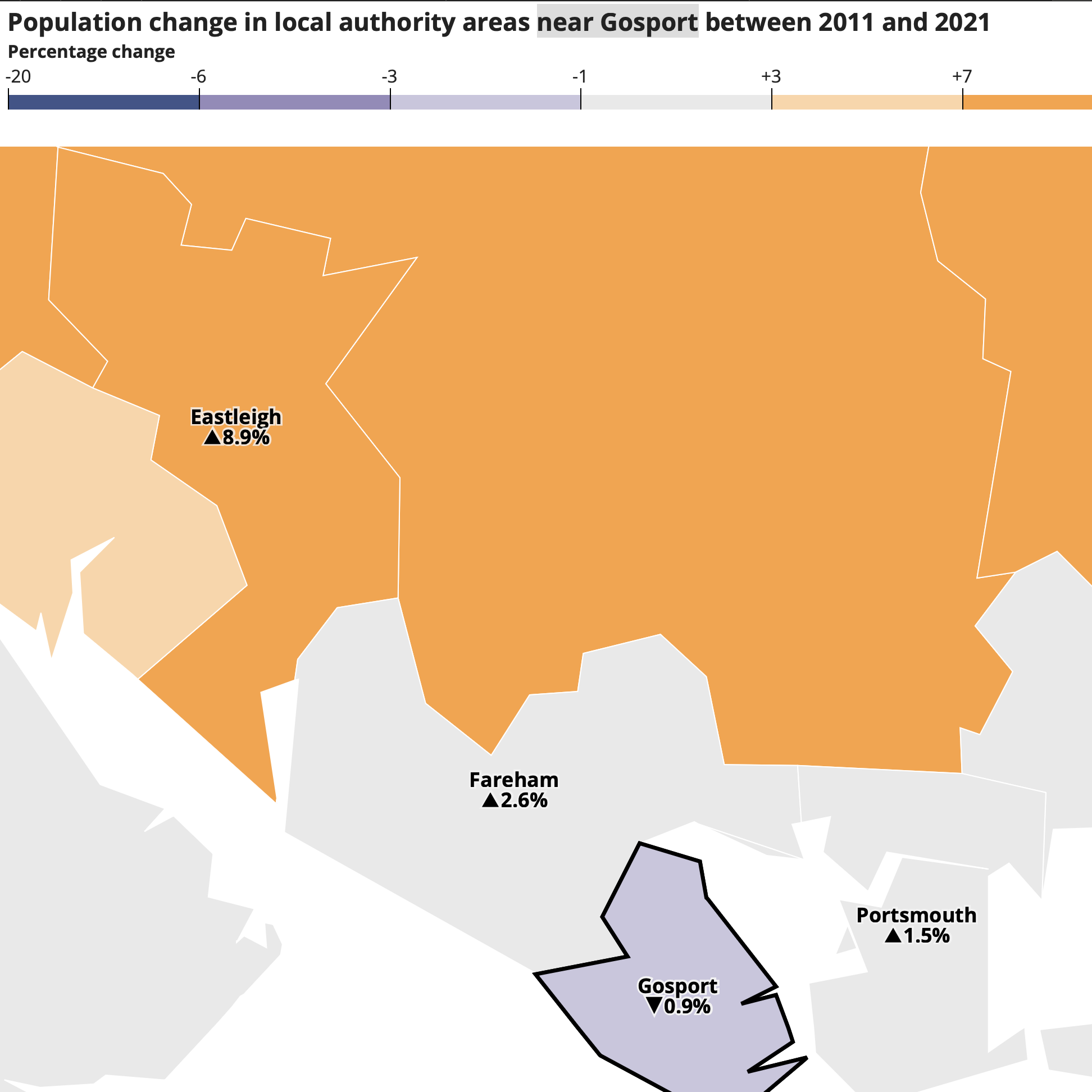
Comparing with the last two censuses (2011 and 2021), the population of Gosport has decreased by about 0.9% over this period. The average (median) age of the residents has risen between the two censuses, raising from 40 to 43 years and, therefore, resulting in being marginally older than those of the South East and England.
Same with Gosport, people in this area are filled with a cool and quiet atmosphere.
We are living in the realities of this world suffering from the crescively severe impacts of repetitive routine. We have to keep going with this soul draining format to get the things we want, we need and we must. We have forgotten that a fundamental shift in our ways of living is needed. Designers have the chance to step forward and make substantial contributions that enable such change. By managing this, we will gain positive transformation and offer hope for a future.
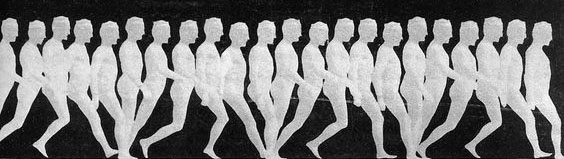
Repetitive routine might cause the kind of behavior that leads us on autopilot, which might even contribute to the loss of certain feelings and immediate experiences. The repetition might tip to the point of boredom. Doing the same things each day or those types of things that may very well weary the spirit and just lead to apathy. Always changing the routine activities is an imperative way to avoid boring repetition of the same. Some repetitive activities may produce physical tiredness, resulting in poor health. Routines with a sedentary lifestyle and the absence of any kind of variation can pose problems to health.
How should we balance it?
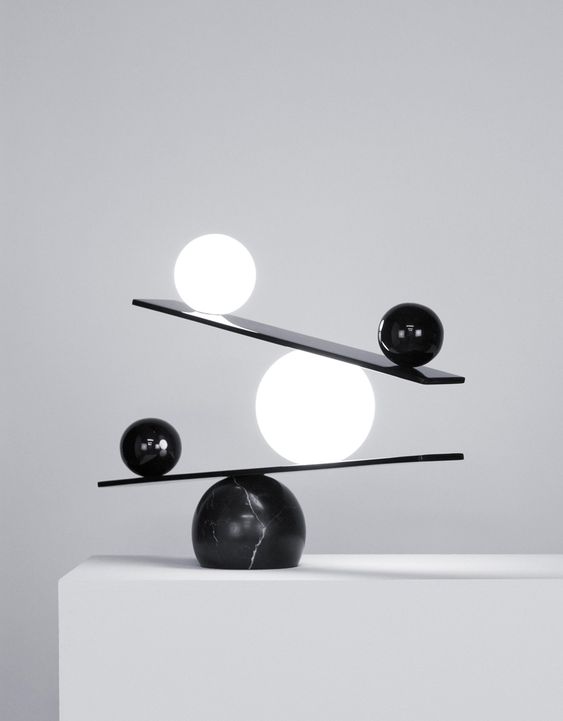
It’s easy with this way of methods.
- Break the monotony by paying attention to sensations, emotions, and thoughts.
- Mindful repetition can transform routine actions into meaningful experiences.
Design for Resilience
When we design and create something that is resilient, we need to consider the following principles and methods:
- Durability of the concept
- Durability and effectiveness of the product’s utility
- Durability of the physical thing
- Durability of the design
Is its purpose well-founded and likely to have lasting value in society?
Is it dependent on technological means that are rapidly evolving, stable, or in decline?
Is it made from good-quality materials, is it well put together, and can it be maintained and repaired?
Will its form, finish, and styling wear well and have enduring aesthetic appeal?
Resilient Spatial Intervention
It is about making stronger and more flexible. It’s a way to design spaces to last longer and handle problems better which includes using green spaces, sustainable materials, and planning for weather changes. It aims to make places better for the future.
For Portsmouth and Gosport
Either young or old, at least 50% of people in both Portsmouth and Gosport areas suffer with repetitive routines.They need a break, pause their struggling minds and look around to find themselves. After considering, a place to find themselves can’t be in a specific area. What we can propose is those alleyways.
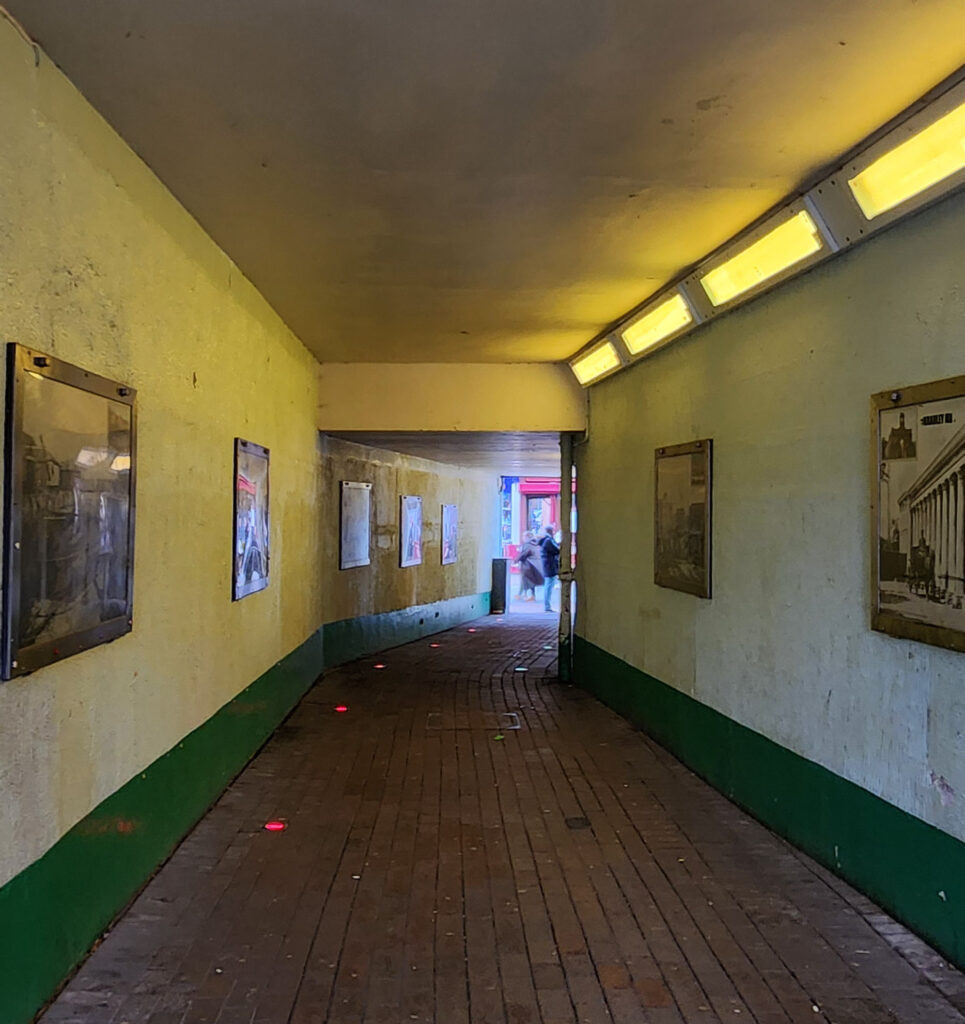
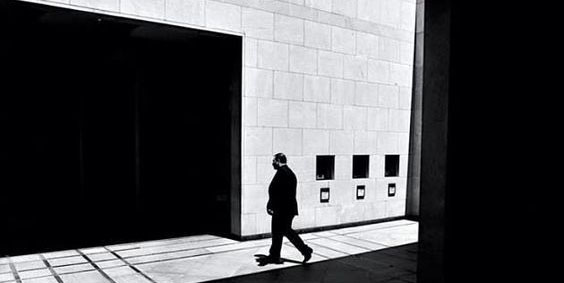
Alleyways seem to be unimportant for us when we are passing through. But it directs to another lane, another direction; from the dark to the light, like how we hope to show them how they can find themselves.