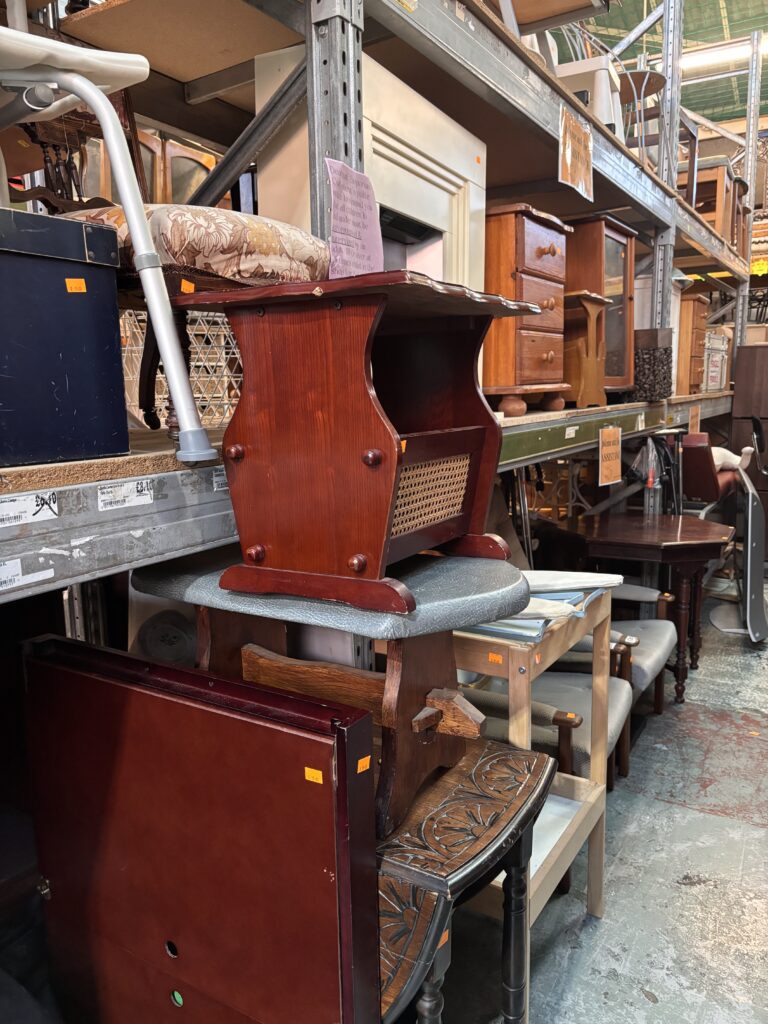
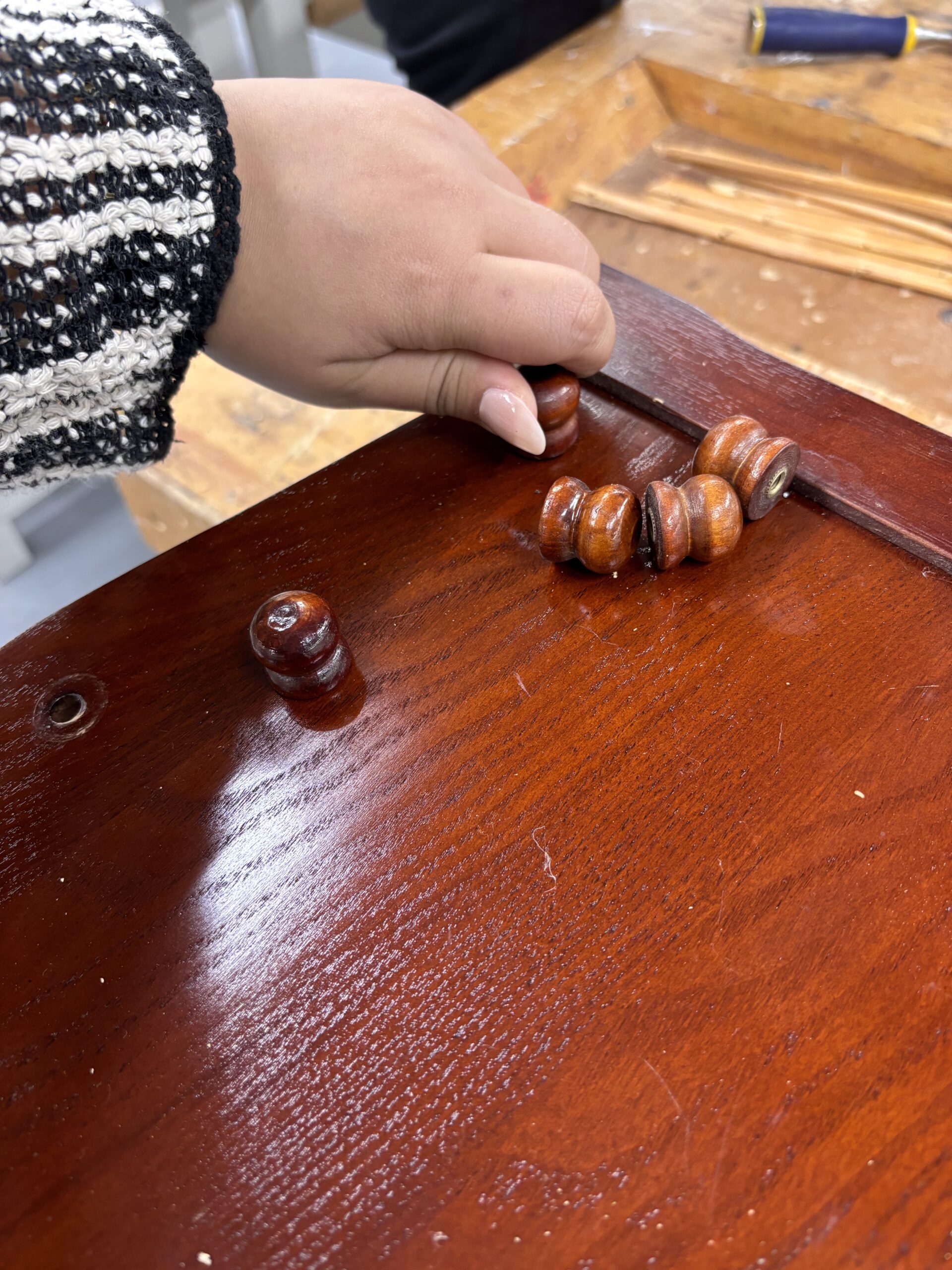
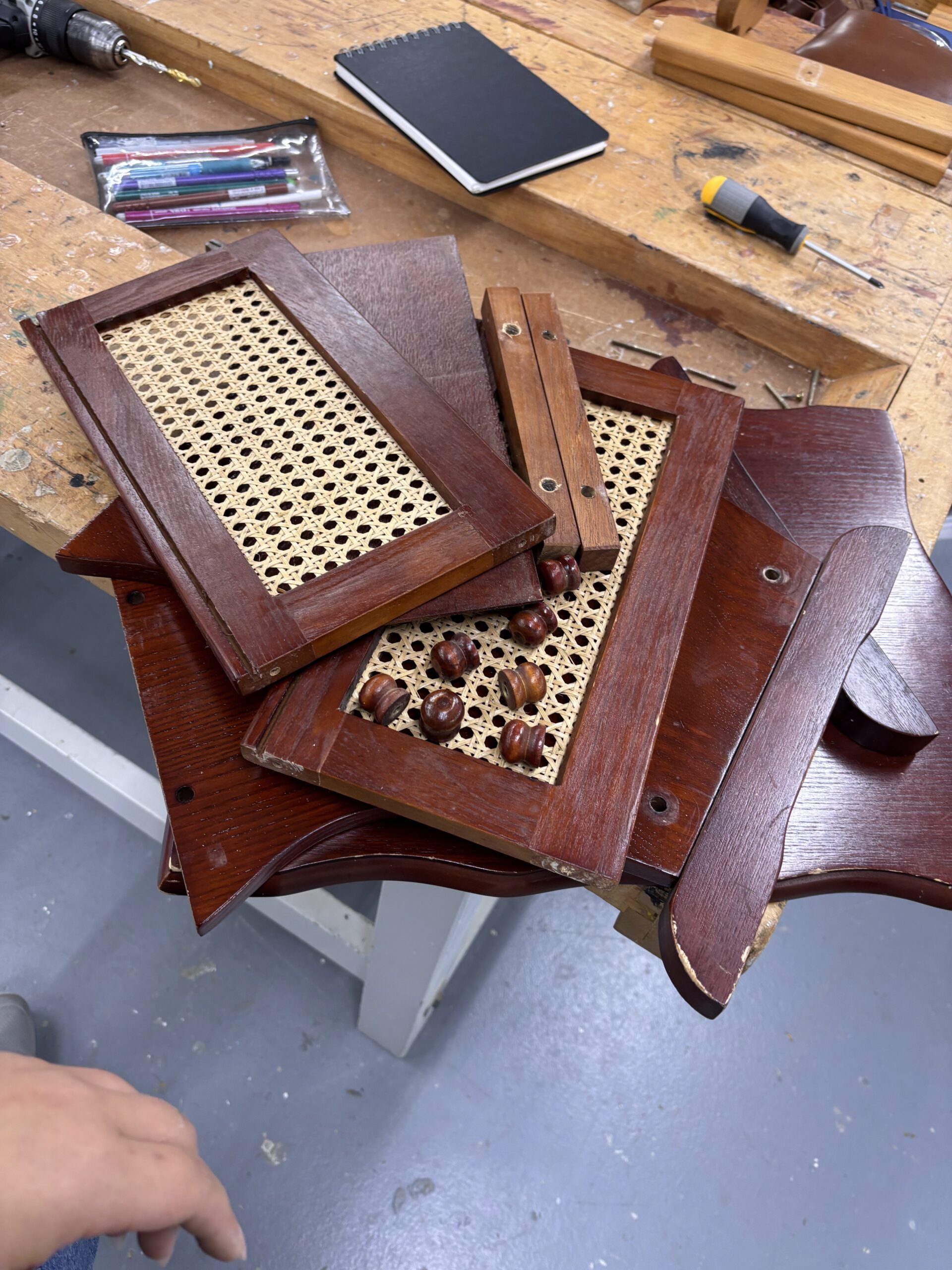
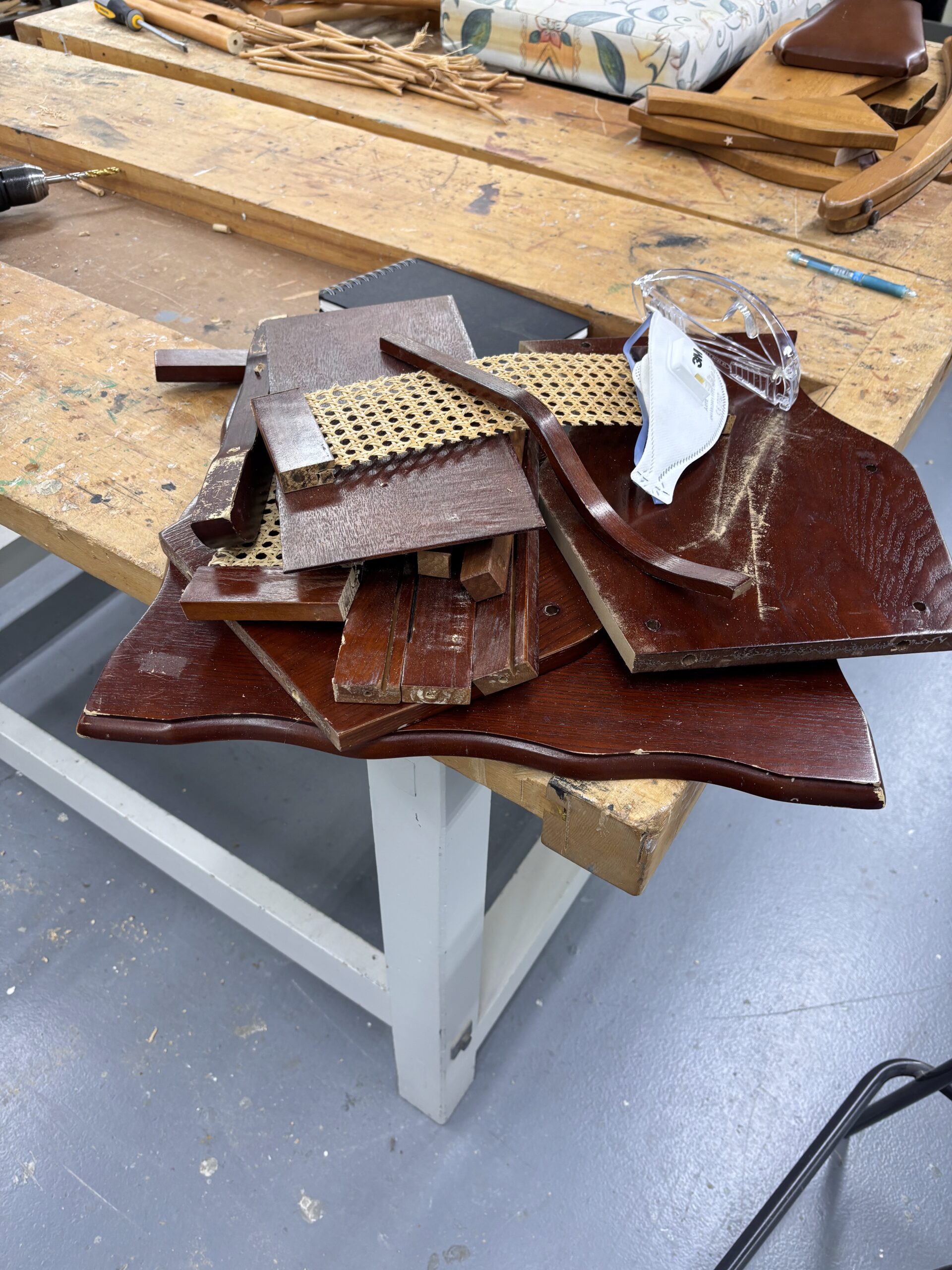
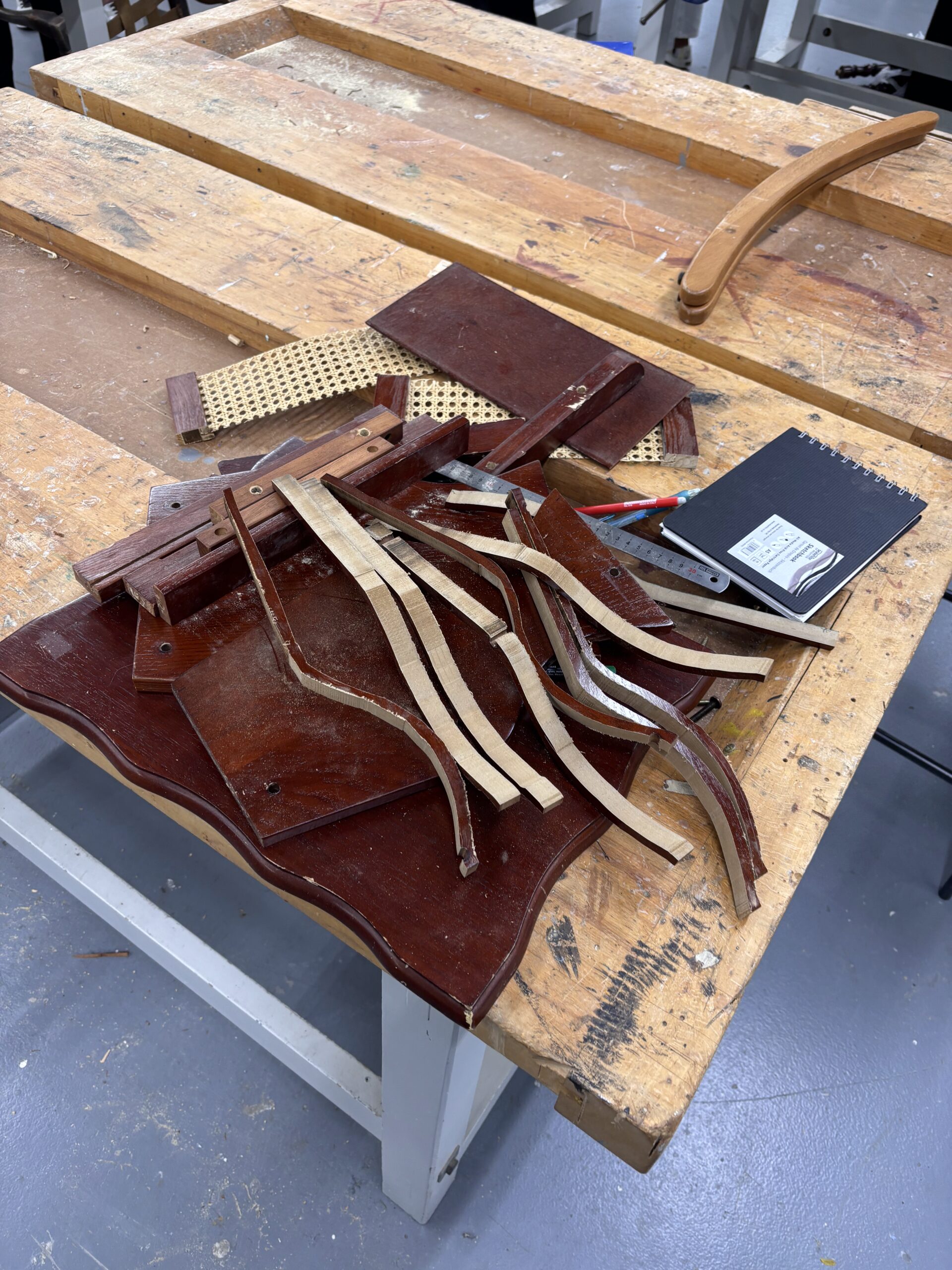
These weaving designs made me to select among those piles of furniture from the warehouse. The lovely side table for my artwork, which has curves and shapes. What can be done to another item that is completely different from what it is now and will be in the future?
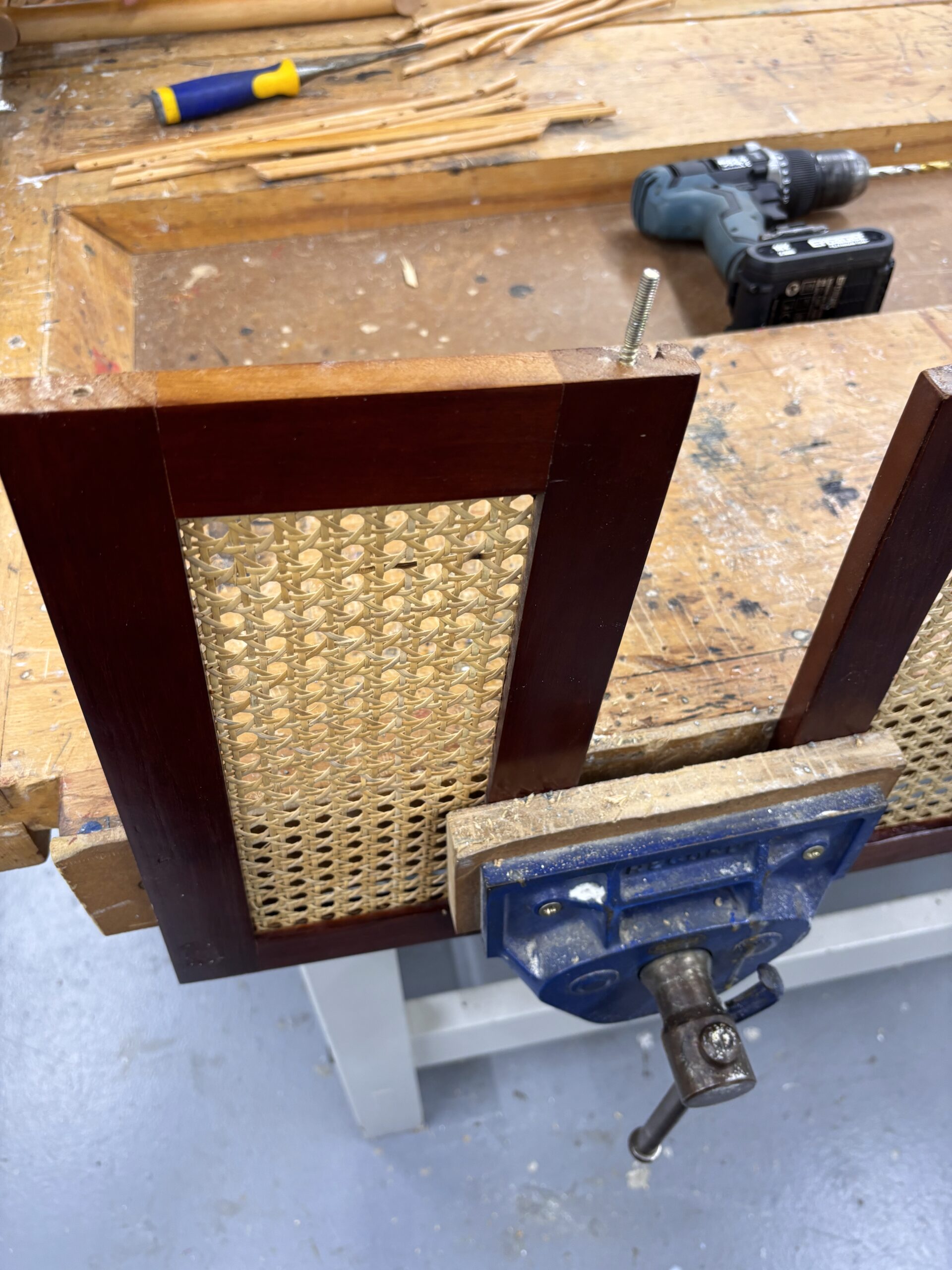
Every time I dismantle an item apart, I’m amazed by every screw, joint, and nail. This side table is the result of combining, nailing, and screwing those components together. It’s a masterpiece. That is fantastic. How do I turn that into another masterpiece? What is going to motivate me? Which items—nails, ropes—should I make? And what will happen next? I haven’t figured it out yet.
An Act of Play
Sometimes, inspiration comes in the most unexpected ways. I wasn’t sure what to create with the curved shapes, so I began to play, hoping for a spark of creativity.
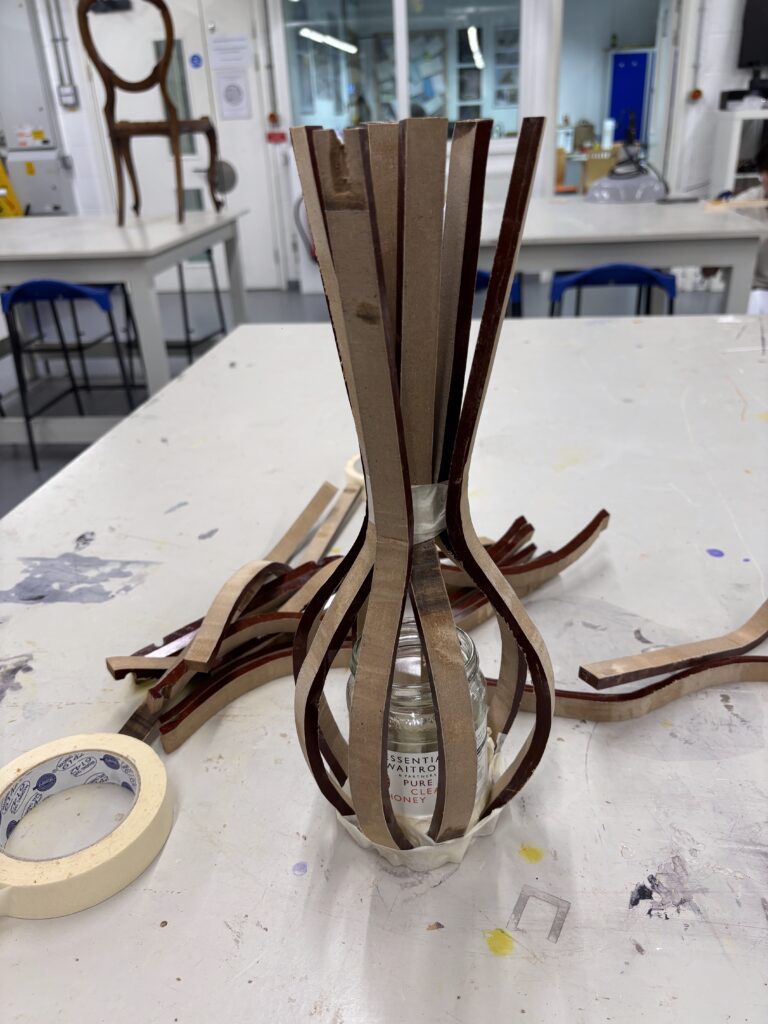
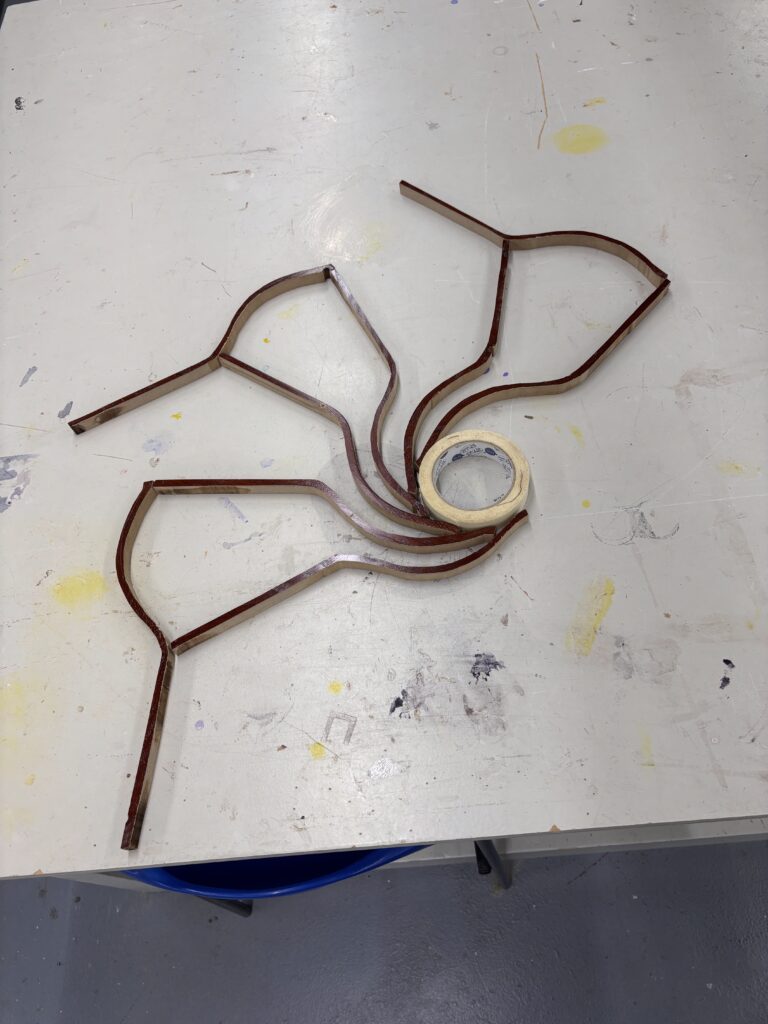
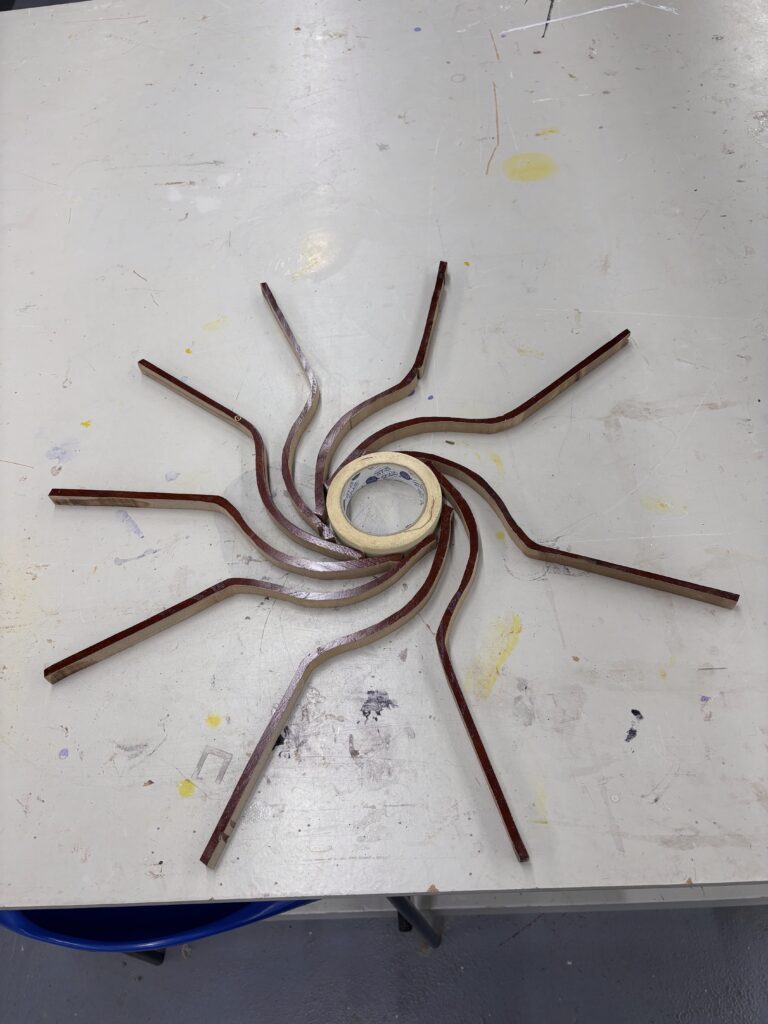
Unexpected source of inspiration
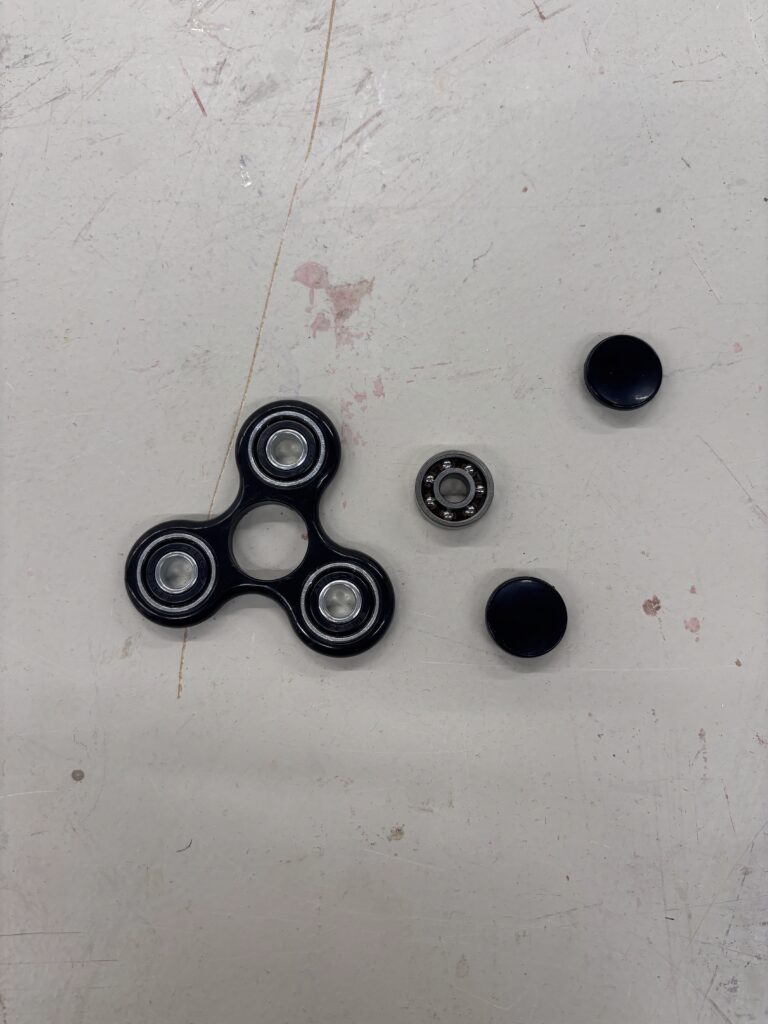
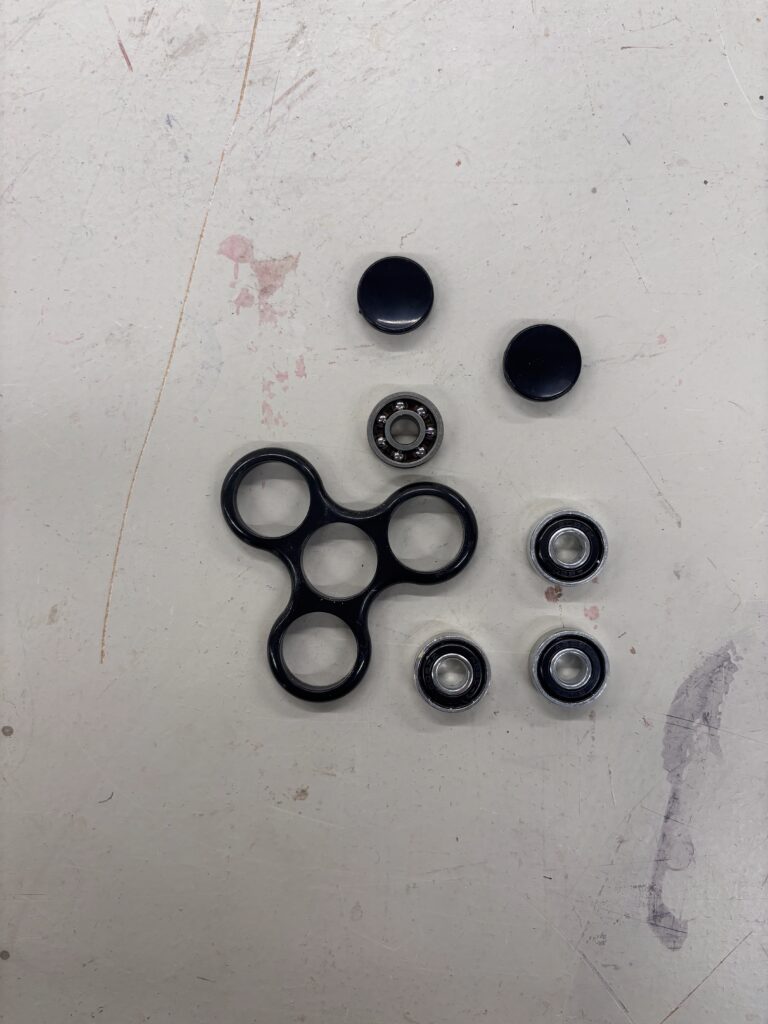
When I saw my friend playing with a spinner, it made me think that this could be the method for my artwork. After combining the spinner with those curved elements, it became alive.
Wind-Powered Kinetic Mechanism
My design process for this art installation began with a fascination for wind-powered kinetic mechanisms, particularly the elegant work of David C. Roy. His wind-driven spinners demonstrated how ambient forces can be harnessed to create movement without motors or electronics.
Mind storming
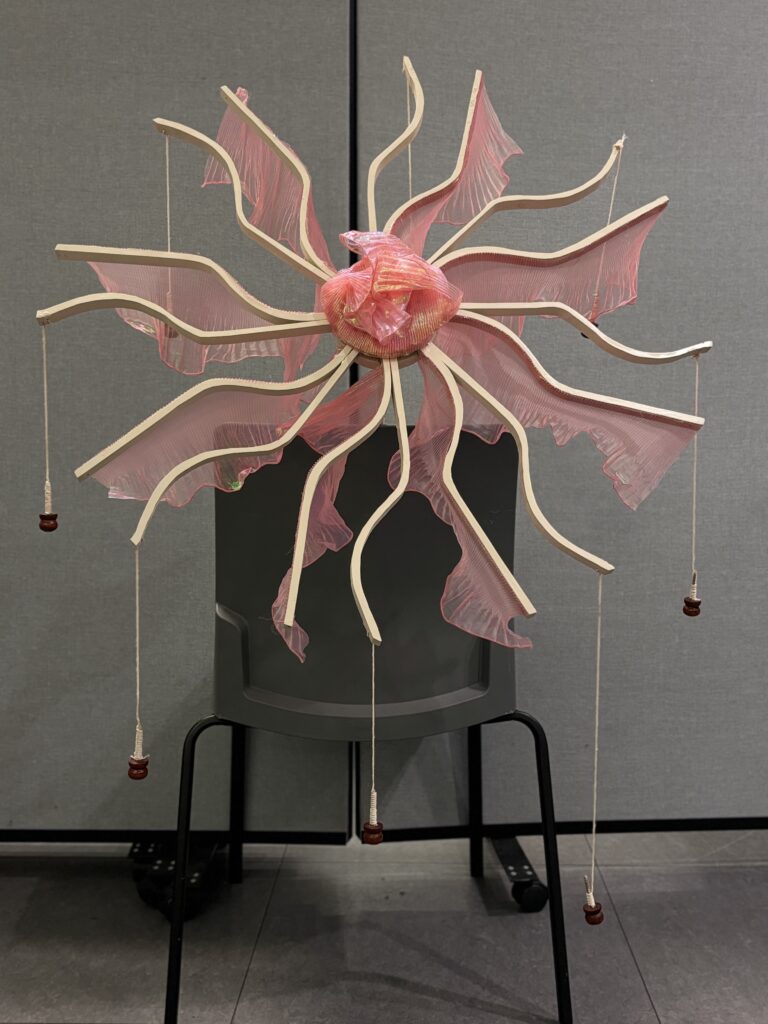
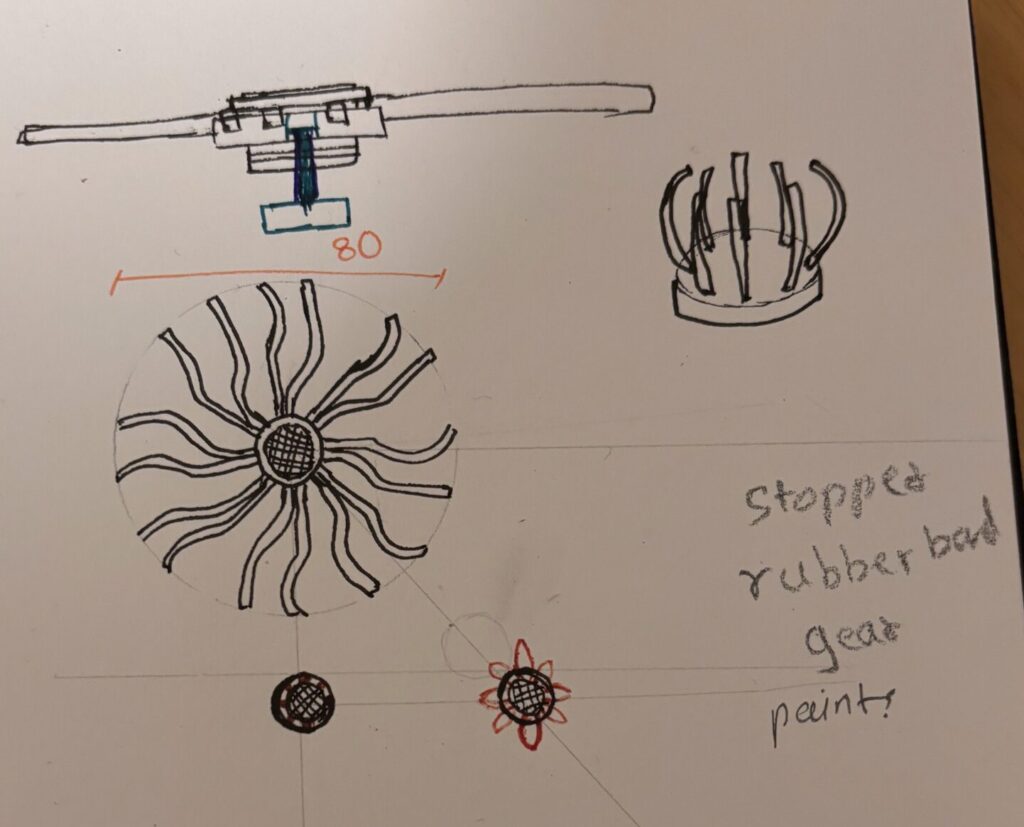
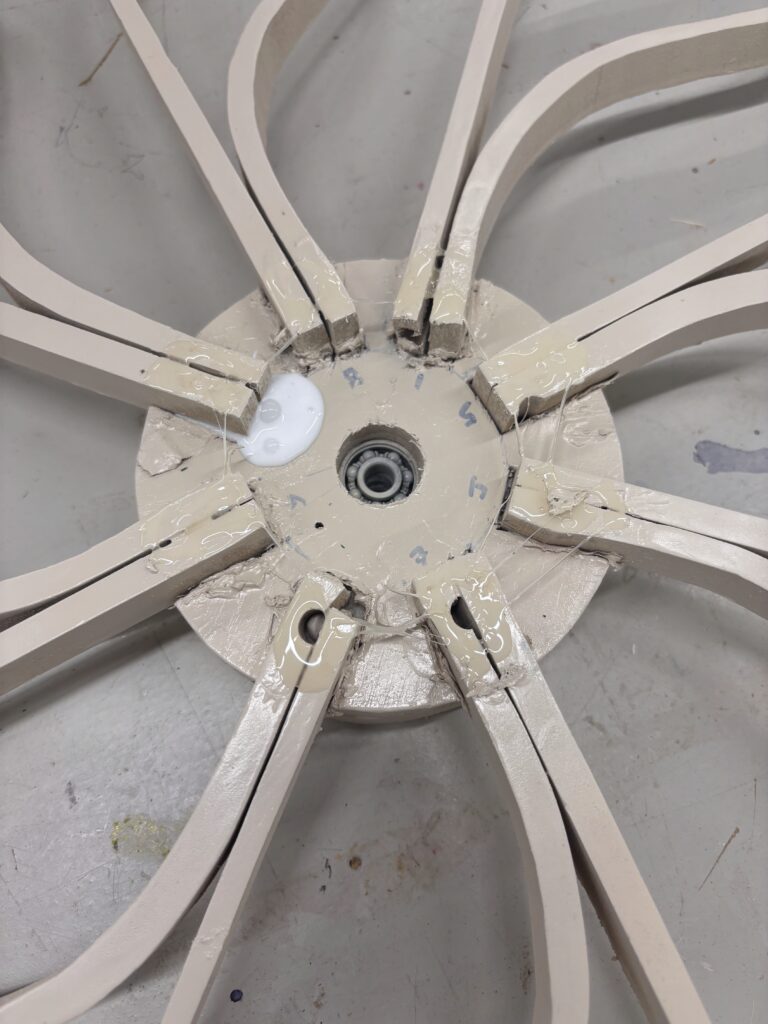
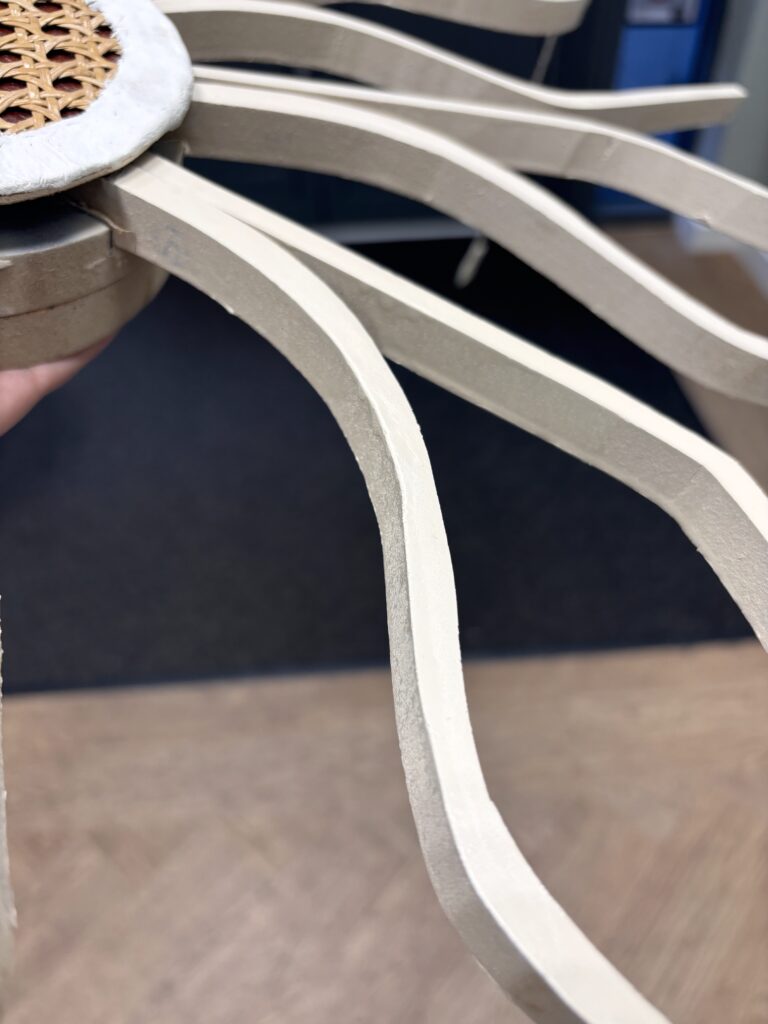
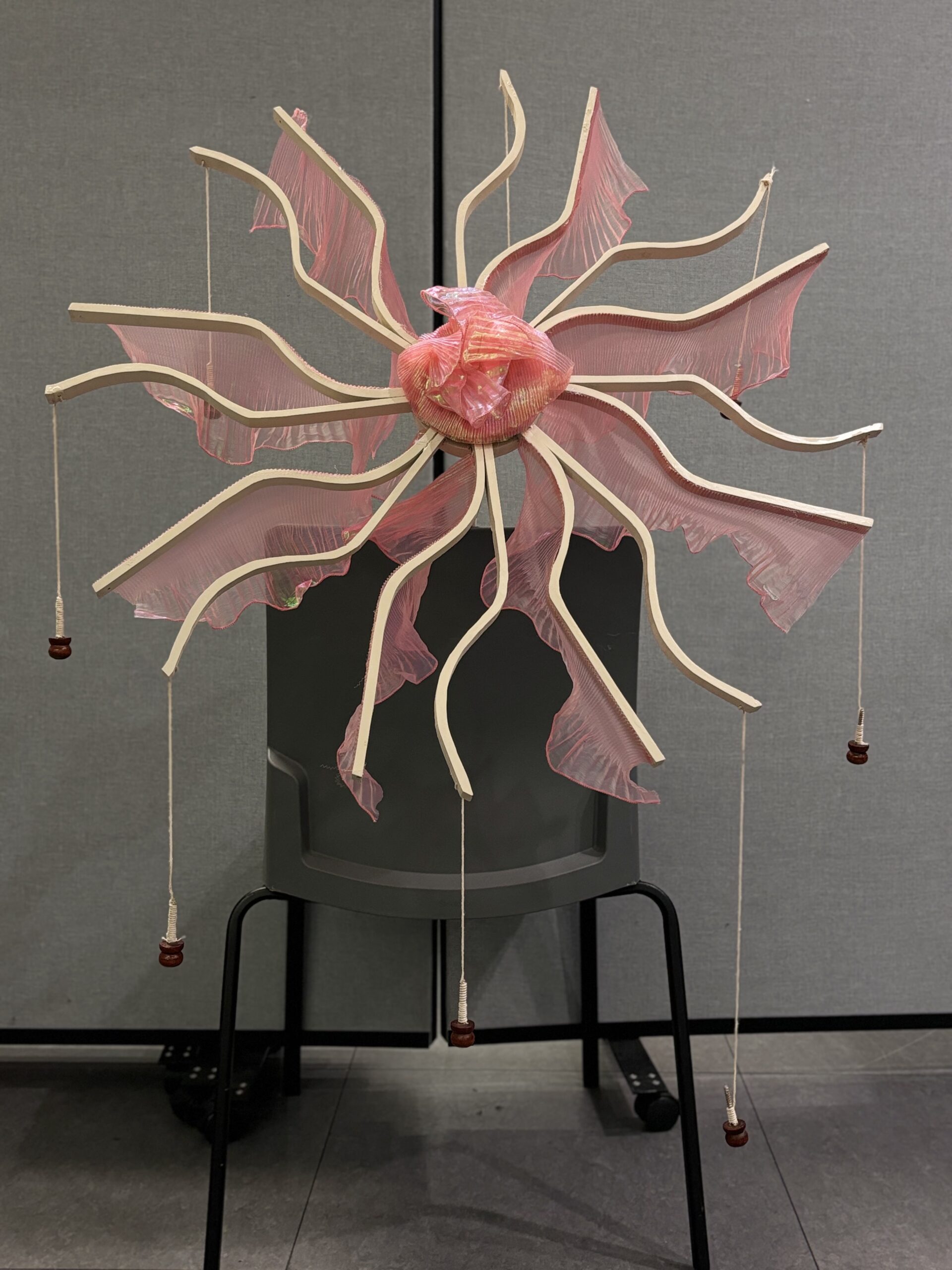
Inspired by this, I explored ways to integrate similar responsiveness into my own pieces that I dismantled. I built up a small wind-activated spinner at the center of my sticks, allowing the form to rotate and interact with its environment. This simple mechanism became the catalyst for the larger kinetic exploration. It transforms static components into a responsive structure that visually expresses motion, energy, and environmental interaction.
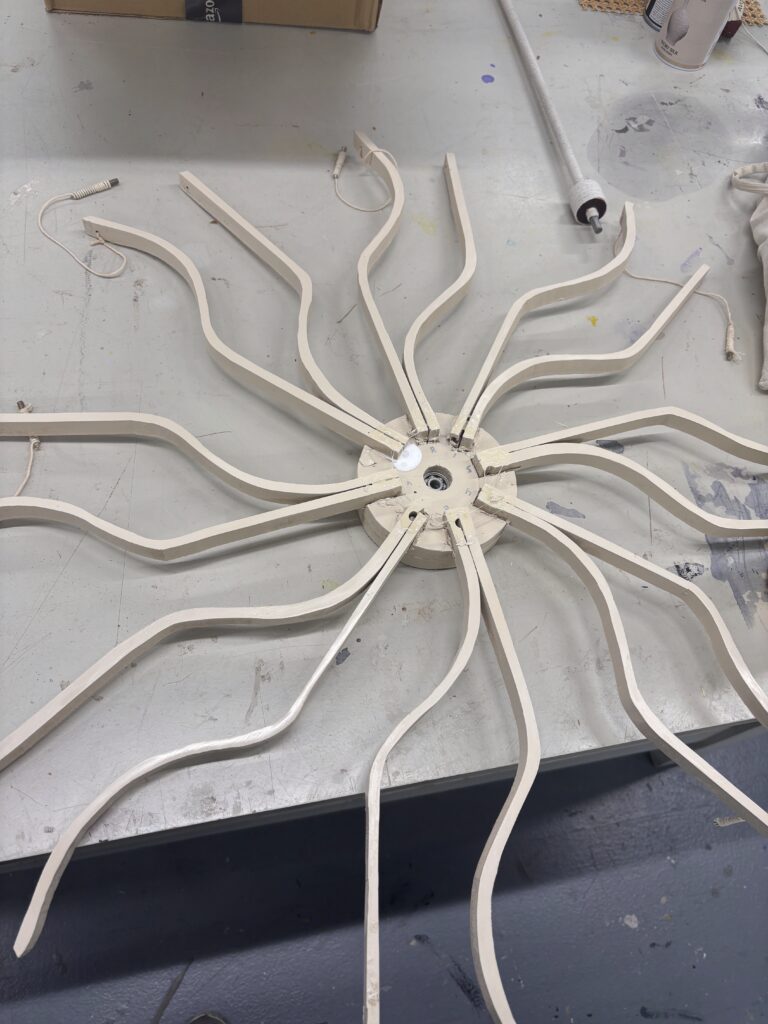
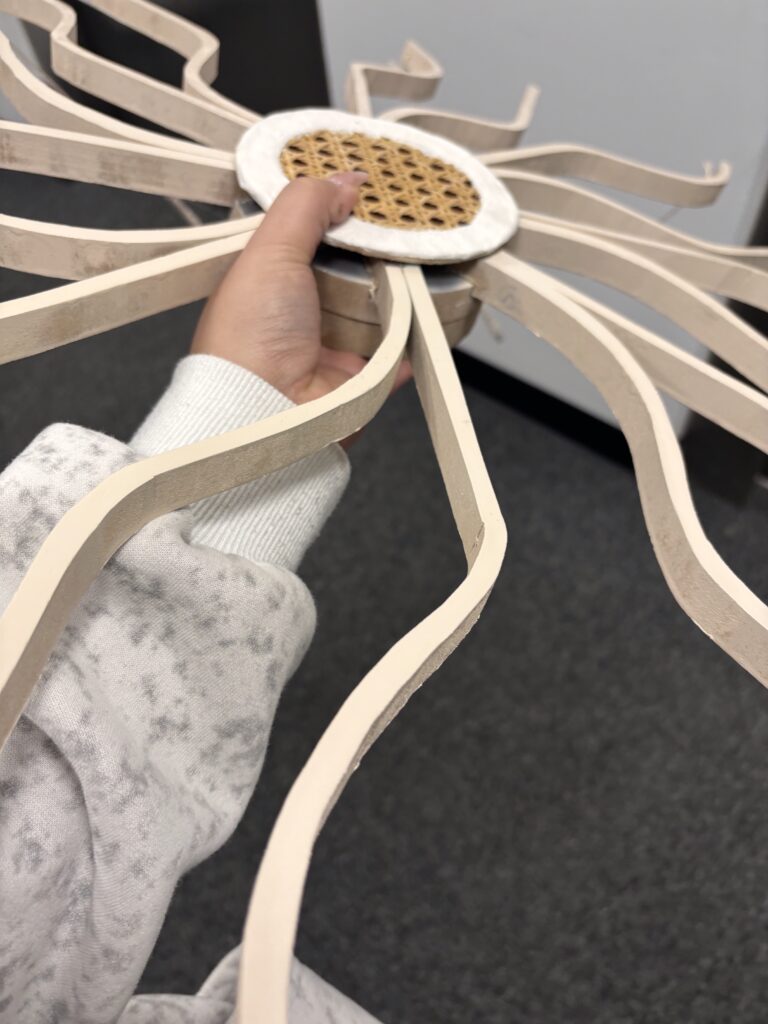
Exploring
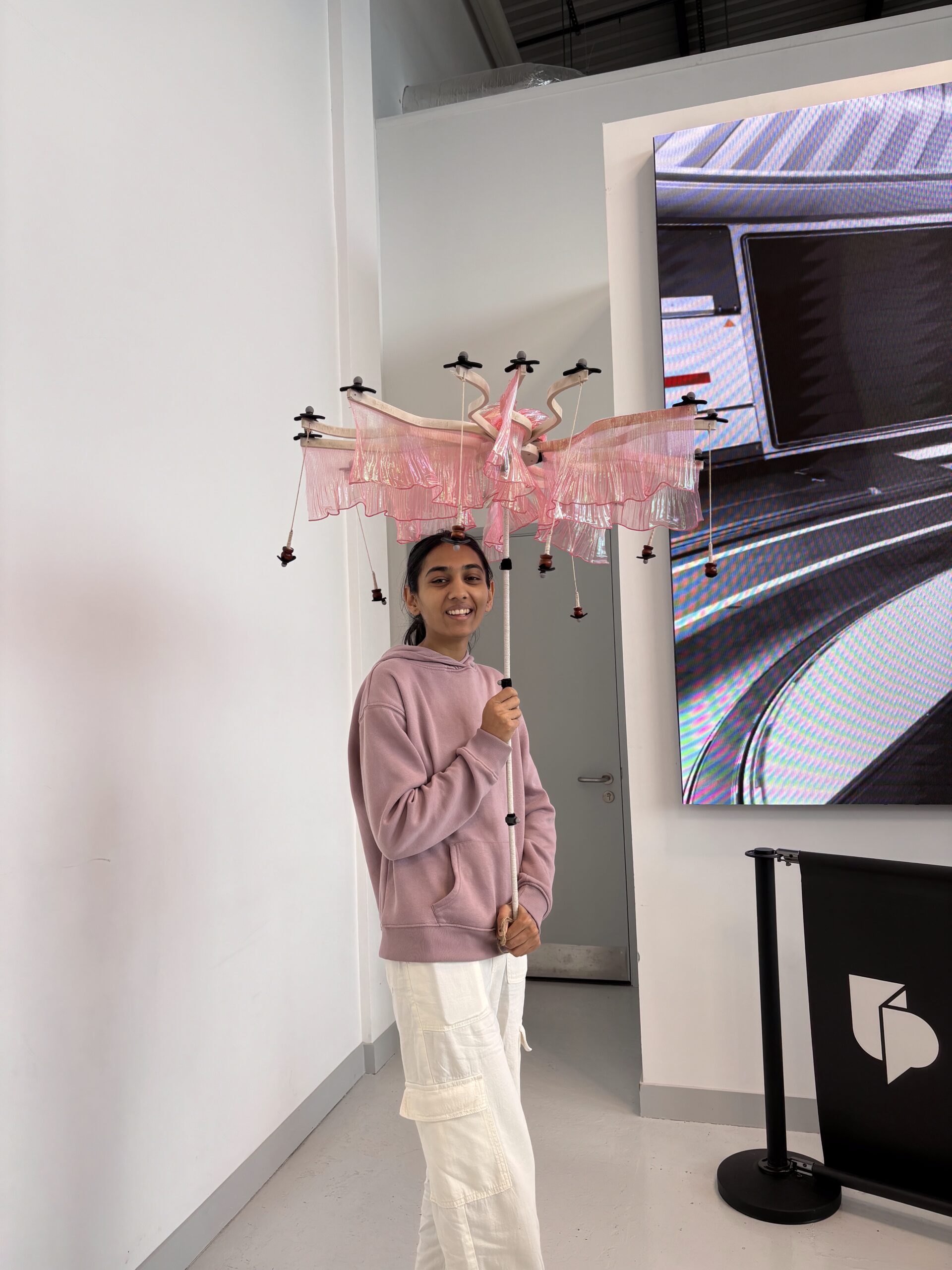
When I held the artefact above my head, I suddenly remembered spinning my umbrella under the rain as a child watching the raindrops. It was pure joy.
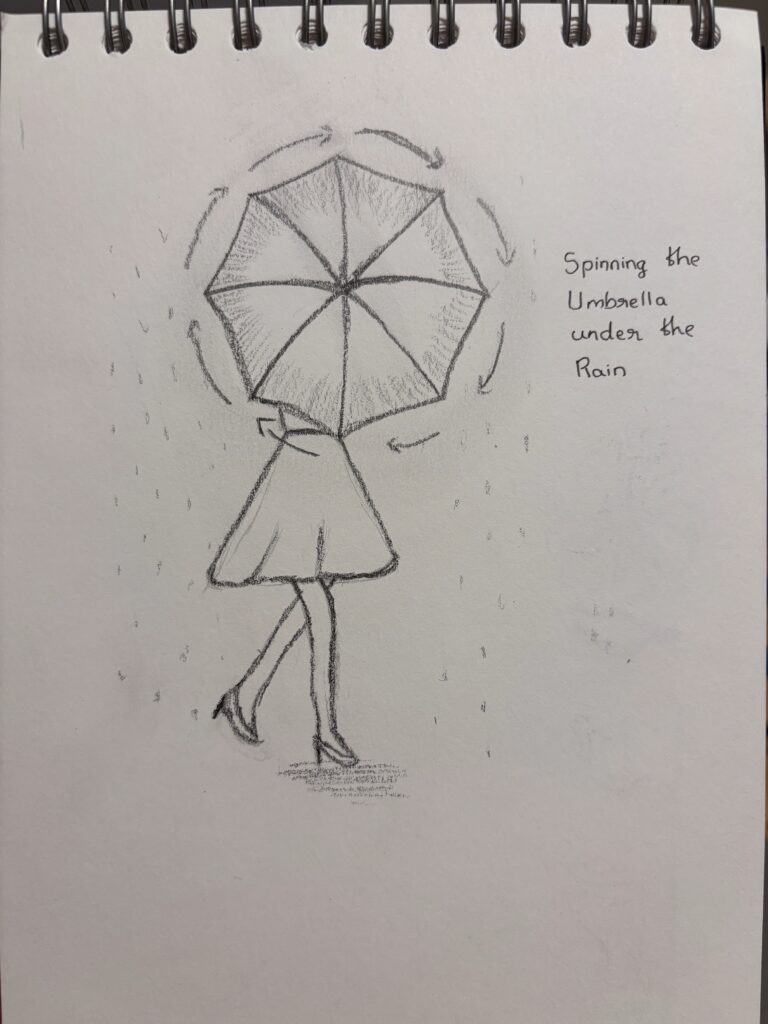
Improving
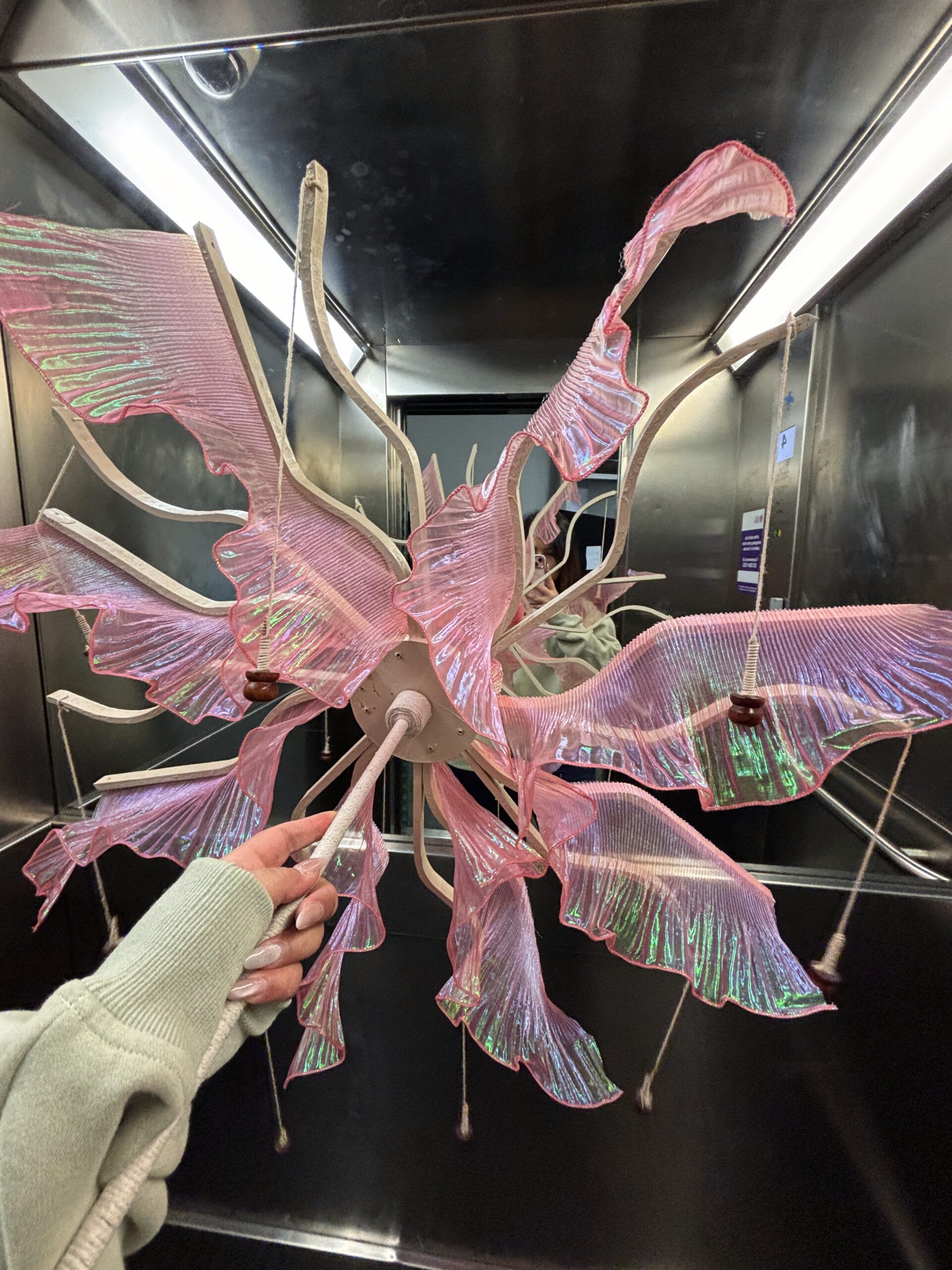
I infused these memories into my creation by working with threads, furniture knobs, and ruffled fabric. The fabric was reused from a collaborative art installation developed for the We Shine Festival, Portsmouth (2024), which I was working on alongside this project. These materials allowed me to shape soft, flowing textures that informed the form and movement of the umbrella.
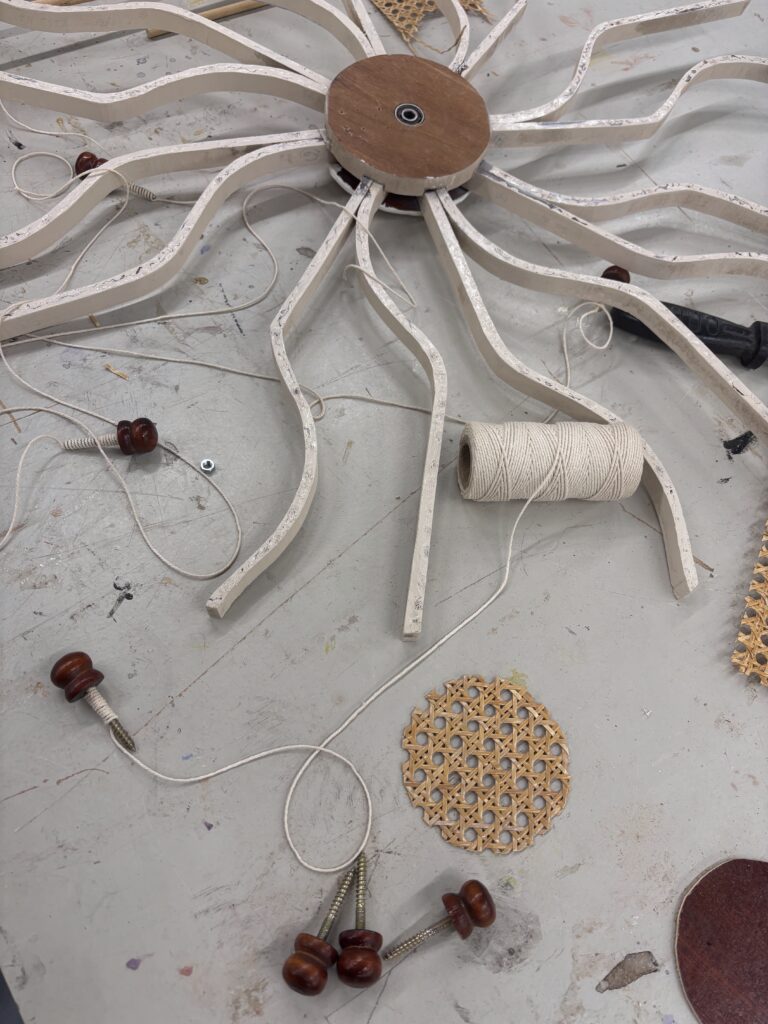
After assembling and attaching every piece, the curves came to life. The motion captured that playful energy, and the artefact became something alive and meaningful. In the end, it wasn’t just about creating an object—it was about preserving a feeling, a memory, and giving it form.
Performing with the artefact
I wasn’t quite sure about how the dancer was going to interact with those fabrics. But she just touched them with her face like a feather which became kind of new perspective view to me. The way she swings around and interacting with the artifact is something that I wasn’t expecting.
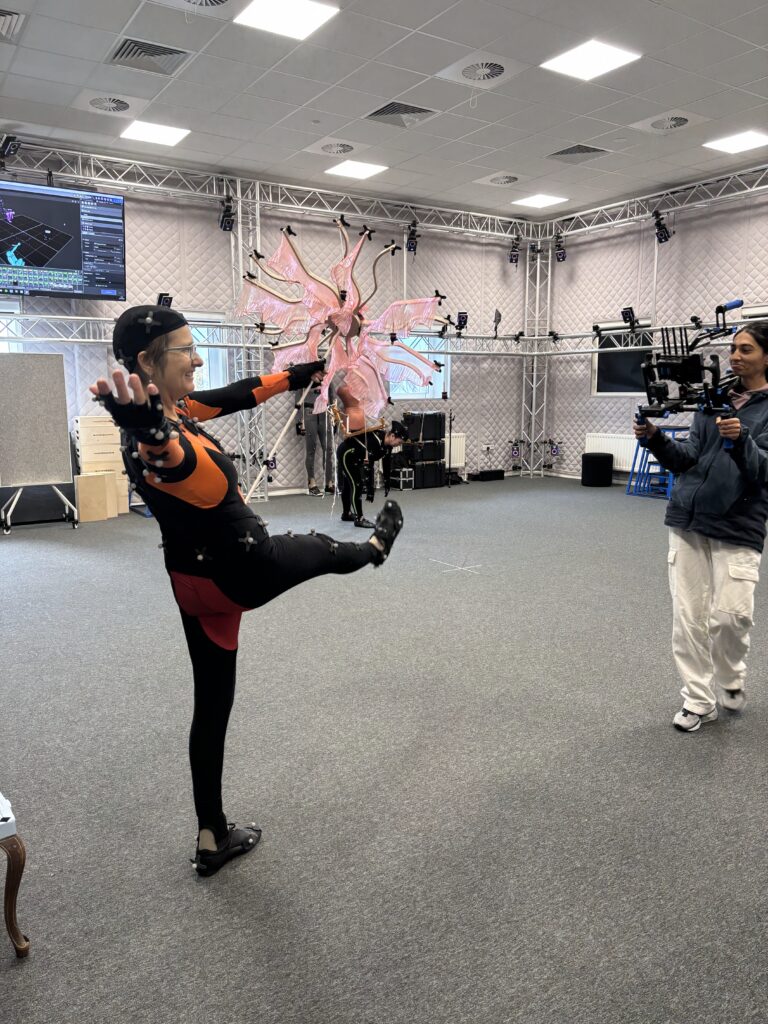
Lots of my classmates tried to bring this above their heads and tried to spin and play with those dropping knots. This is what I want to give an impression and interaction with the users. Cheerful and playful inner child is trying to call out and connect with them.
Some said It is very similar to an umbrella, and they just want to use it like an umbrella. How this artefact interacts with humans is really nice. It also looks like a ceiling fan turning upside down with the fabric.
Others said this thing provides a focus on light, air, and movement. Vibrant green and pink colours from fabrics are trying to communicate with the air and the movement of those curves and knots. It is kind of incorporated into the animated scenery.